
If you're planning a trip to Croatia, there's one natural wonder that absolutely cannot be missed: Plitvice Lakes National Park. This UNESCO World Heritage site isn't just beautiful—it's otherworldly. Imagine sixteen terraced lakes connected by hundreds of cascading waterfalls, all tucked into a lush forested canyon in the Croatian Dinaric Alps. Trust me, the photos don't do it justice.

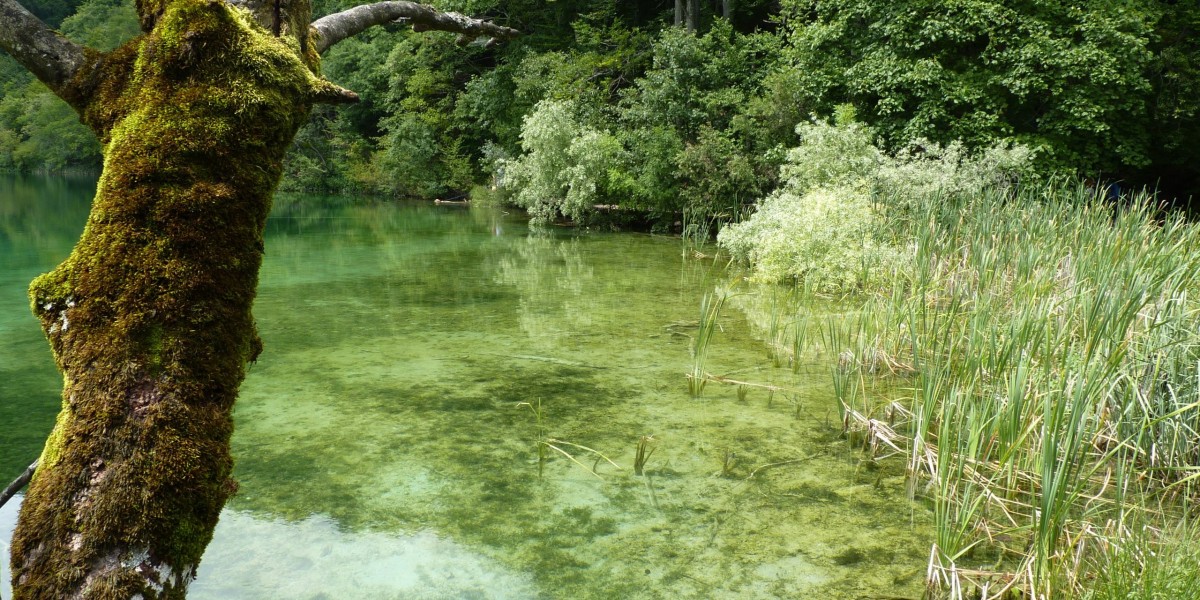
? Photo: Plitvice Lakes, Croatia, Galovac jezero
Photographer: Michal Klajban
License: CC BY-SA 3.0
Source: Wikimedia Commons
How to Experience Plitvice Lakes
The park offers two main walking routes: the shorter 3.5km loop takes about 2-3 hours, while the full 8km circuit requires a full day. Most visitors start at Entrance 1 and take the electric boat across Kozjak Lake for the classic experience. The wooden walkways wind right over the water, bringing you face-to-face with the cascades. My advice? Arrive early—before 8 AM if possible—to beat the crowds and catch the morning light filtering through the beech trees.
Best Time to Visit
Spring brings the most dramatic water flow as snow melts in the mountains, while autumn paints the landscape in golden hues. Summer is busy but perfect for swimming in the designated areas (though the water stays shockingly cold year-round). Winter transforms the park into a frozen wonderland—the waterfalls sometimes create ice formations that glow turquoise in the sunlight. Each season offers something magical.
Practical Tips for Your Visit
Bring sturdy walking shoes; those wooden paths can be slippery when wet. Pack a rain jacket—the mist from the waterfalls is constant and refreshing. Photography enthusiasts should bring a wide-angle lens for the landscape shots and a telephoto for capturing details. There are several viewpoints where you can sit and just absorb the scene; don't rush through. The park's restaurant serves hearty Croatian fare, but you're welcome to bring a picnic and enjoy it overlooking the lower lakes.
Beyond the Viewpoints
Galovac Lake, one of the most photographed spots, sits between the upper and lower clusters. The view from here captures the essence of Plitvice—crystal-clear waters ranging from azure to emerald, depending on the light and minerals. Keep an eye out for the native brown bears and wolves that still roam these forests, though sightings are rare during the day. The park is also home to over 150 bird species, making it a paradise for birdwatchers.
Getting There and Staying Nearby
Plitvice Lakes sits midway between Zagreb and Zadar, about a 2-hour drive from either city. Regular bus connections make it accessible even without a car. The surrounding villages offer family-run guesthouses and small hotels—far more charming (and often cheaper) than the park's own hotel. Grab a seat at a konoba (traditional tavern) for fresh trout caught from the lakes and homemade štrukli, a cheese-filled pastry that's Croatia's comfort food at its finest.
Preserving This Treasure
Since 1949, Croatia has protected this landscape, and it shows. The water stays impossibly clear thanks to strict no-swimming rules (except in designated areas) and careful visitor management. As tourism grows, the park has introduced timed entry tickets and expanded walking paths to reduce impact. It's a masterclass in how to balance accessibility with conservation—proof that we can share natural wonders without destroying them.
Why Plitvice Stands Out Among Europe's Parks
What makes Plitvice truly special isn't just the waterfalls—it's the entire ecosystem. Unlike tourist-heavy spots, this park feels wild and untouched. The travertine barriers that create the lakes form over decades through mineral deposits, creating ever-changing landscapes. No two visits are identical; the water flow, color, and even the shape of waterfalls shift with seasons and weather. Conservation efforts here are among Europe's best. Only electric boats and designated paths are allowed, preventing erosion and protecting wildlife.
Photography Tips for Perfect Shots
The lighting changes everything here. Early morning brings soft golden rays that make the water glow, while midday creates stark contrasts between shadow and light. The iconic shot from the viewpoint between Galovac and Mala Capela lakes works best between 9-11 AM. Longer exposures transform the falling water into silky ribbons. For smartphone photographers, the park's wooden walkways provide perfect vantage points without needing professional gear. The water's clarity is so stunning that even basic phone cameras capture the turquoise magic.
Planning Your Multi-Day Croatian Adventure
While Plitvice deserves at least one full day, combine it with nearby highlights. Rastoke, a 30-minute drive north, offers similar waterfalls on a smaller scale plus traditional watermills. Continue south to Zadar to see the Sea Organ and Sun Salutation. The coastal drive from Zadar to Split via the A1 highway offers stunning Adriatic views. Each park tells part of Croatia's story: a country where water shapes both landscape and culture.
Whether you're a seasoned traveler or planning your first European adventure, Plitvice Lakes delivers that rare moment of genuine awe. In a world where so many places feel over-photographed and underwhelming, this park reminds you why we travel in the first place—to find those spots that steal your breath and restore your sense of wonder.
? Learn more about Plitvice Lakes:
#PlitviceLakes #Croatia #Travel #NationalParks #UNESCO #Nature #Waterfalls