
Walking Through a Thousand Gates: Exploring Fushimi Inari in Kyoto
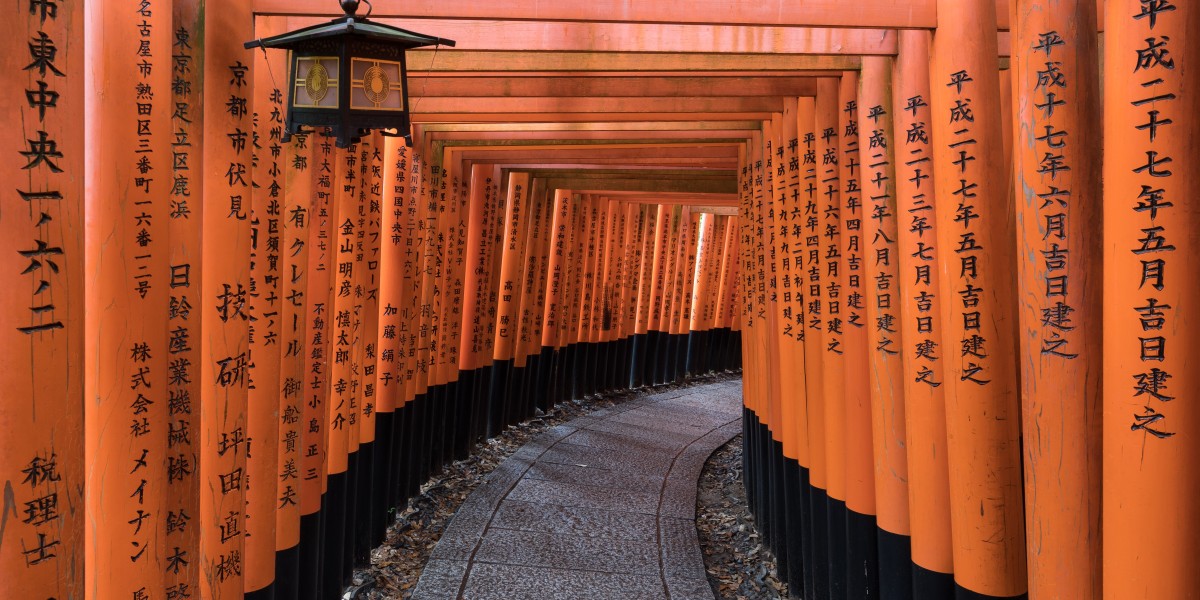
There's a moment, about twenty minutes into the hike up Mount Inari, when the crowds thin out and the world turns crimson. Thousands of vermillion torii gates overlap above you like a tunnel carved from fire, their Chinese characters glinting in the dappled light. This is Fushimi Inari-taisha — Kyoto's most iconic shrine and one of Japan's most unforgettable experiences.
A Shrine Dedicated to the Fox God
Fushimi Inari-taisha is the head shrine of Inari, the Shinto god of rice, sake, and prosperity. What makes it extraordinary is its scale: the main shrine sits at the base of the mountain, but the real magic begins when you start walking. A network of trails winds approximately 4 kilometers up the 233-meter mountain, passing through an estimated 10,000 torii gates donated by Japanese businesses seeking good fortune since the Edo period.
Keep your eyes open for fox statues — they're Inari's messengers. You'll spot them everywhere, often holding symbolic items like keys to the rice granary or jewels of wisdom in their mouths or beneath their paws.
The Famous Senbon Torii Path
The first thing that strikes most visitors is the Senbon Torii — the "thousand torii" corridor near the main hall. This dense tunnel of gates is where most photos are taken, and for good reason. The effect is mesmerizing: gate after gate stretching into the distance, each one unique, each one inscribed with the name of its donor.
Here's a tip most guidebooks won't tell you: keep walking past this first section. Within fifteen to twenty minutes, the crowds drop dramatically. The upper trails offer the same stunning gates but with far more solitude — and the views over Kyoto from the Yotsutsuji intersection are spectacular, especially in late afternoon.
Planning Your Visit
The shrine is open 24 hours a day, 365 days a year, and admission is completely free. This makes it perfect for an early morning visit (before 8 AM) when you'll have the trails almost to yourself, or a late evening walk when the lanterns cast an otherworldly glow.
The full round-trip hike to the summit takes about two to three hours at a leisurely pace. Wear comfortable shoes — there are plenty of stone steps — and bring water. Small tea houses along the way serve light snacks and matcha, perfect for a rest halfway up.
The nearest access is JR Inari Station on the Nara Line, just five minutes from Kyoto Station. You literally step off the train and the shrine entrance is right there. No complicated transfers, no expensive taxis — just one of Japan's greatest cultural treasures waiting for you.
When to Go for the Best Experience
Spring (late March to early April) brings cherry blossoms framing the gates in soft pink. Autumn (November) paints the surrounding forest in gold and crimson, creating a stunning contrast with the orange torii. Summer is lush but humid, while winter offers crisp air and the fewest tourists of all.
Whenever you visit, Fushimi Inari has a way of making you feel like you've stepped into another world — one where the boundary between the sacred and the everyday dissolves with every gate you pass through.
? Photo: Torii path with lantern at Fushimi Inari Taisha Shrine, Kyoto, Japan
Photographer: Basile Morin
License: CC BY-SA 4.0
Source: Wikimedia Commons
? Learn more about Kyoto:
#Kyoto #Japan #FushimiInari #Travel #Shrines #JapanTravel #Wanderlust