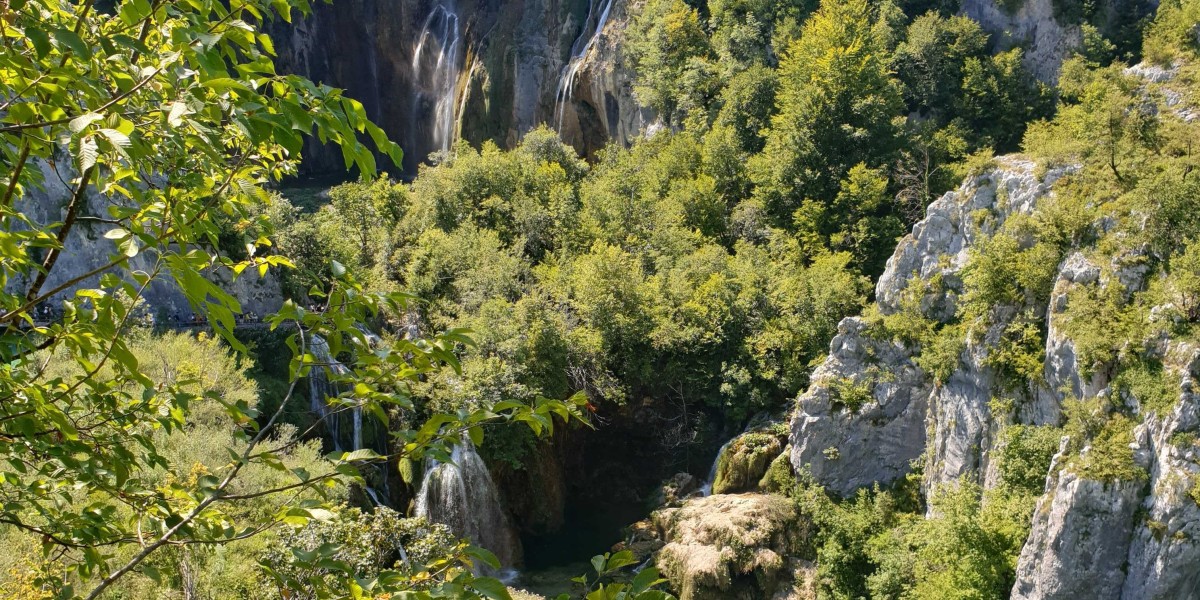

If Croatia isn't already on your travel bucket list, Plitvice Lakes National Park will convince you it deserves a top spot. This UNESCO World Heritage site in central Croatia feels like stepping into a fairy tale – sixteen terraced lakes connected by hundreds of waterfalls, all framed by primeval forests and dramatic limestone cliffs. I've visited my share of beautiful places, but few compare to the sensory overload of walking wooden boardwalks above turquoise waters as water cascades endlessly around you. Here's everything you need to know about this natural wonder.
? Photo: Plitvice Lakes Croatia
Photographer: Sheeba Samuel
License: CC BY-SA 4.0
Source: Wikimedia Commons
The Geological Magic Behind Plitvice's Waterfalls
What makes Plitvice truly remarkable isn't just its beauty – it's the fascinating geology that created this landscape. Over thousands of years, travertine (a form of limestone) has been deposited by the action of algae, moss, and bacteria. These deposits form natural dams that create the cascading lakes. The water ranges from crystal clear to stunning shades of azure, green, and gray depending on mineral content, algae, and lighting conditions. Each lake has its own character: some are placid and mirror-like, others churn with dramatic waterfalls up to 78 meters high.
The name "Plitvice" derives from the Croatian word "plitka," meaning "shallow place." Local legend tells of a shepherd whose sheep fell into a dangerous whirlpool, prompting him to pray. The ground miraculously opened, creating the lakes and calming the waters – a romantic explanation for what science confirms as a remarkable karst formation.
Planning Your Visit: Practical Tips for 2026
Plitvice is open year-round, but spring and early fall offer the best balance of weather and crowds. The park opens at 7 AM – I strongly recommend arriving early. By 9 AM tour buses swarm the entrance, and the popular trails become congested. Purchase tickets online when possible; the park limits daily visitors during peak season (June-September), and slots fill quickly.
Entry fees vary by season and duration. A one-day adult ticket costs approximately 300 kuna ($40 USD) in summer, less in shoulder seasons. You can choose between the basic route (H route) or add the electric boat and train for the full experience. The combination ticket is worth it – the 20-minute boat ride across Kozjak Lake offers unique perspectives of the waterfalls, while the train helps you cover more ground efficiently.
Getting there is straightforward. The park lies about halfway between Zagreb (130 km) and Zadar (140 km). Regular bus service connects both cities. If driving, follow signs from the A1 highway. Parking costs 50 kuna ($7 USD) per day. Alternatively, join a guided tour from major Croatian cities – these often include transportation and can be economical for solo travelers.
Hiking Trails and Route Options
The park offers seven different route options, color-coded by difficulty and duration. The most popular H route takes 4-6 hours and covers the Lower and Upper lakes – this is where you'll find the iconic Veliki Slap (Great Waterfall) and the famous Kozice Waterfall. For photographers, I recommend entering at Entrance 2 (Upper Lakes) early, walking to Entrance 1 (Lower Lakes), then taking the boat-train combination back.
Route K shortens the experience to about 2-3 hours, covering just the Lower Lakes. If time is limited, this still delivers spectacular views. Route E adds extra loops and side trails for dedicated nature lovers. Routes C and F cover the park comprehensively but require a full day and good fitness. Winter visitors can enjoy snow-covered landscapes and frozen waterfalls – a completely different but equally magical experience.
Wear sturdy shoes – the boardwalks are often wet and slippery from the constant mist. Bring layers; temperatures drop significantly near the water. Pack water and snacks; options inside are limited and overpriced. The park provides basic restrooms and small cafes, but nothing fancy. Binoculars come in handy for spotting birds and distant wildlife.
Wildlife and Natural Magic
Plitvice's ecosystem is remarkably intact. Keep your eyes peeled for the park's resident brown bears – though sightings are rare, their presence adds wild authenticity. More commonly, you'll spot deer grazing in clearings, colorful birds flitting through the canopy, and the occasional wild boar near quieter trails. The water itself hosts unique species adapted to the mineral-rich environment, including the endangered Croatian softwort.
Birdwatchers will love this place. Over 120 bird species have been recorded here, including golden eagles, peregrine falcons, and white-throated dippers that literally walk underwater to feed. The forests echo with bird calls throughout the day. Early morning brings the most active wildlife viewing – arrive at sunrise if possible.
Accommodation and Where to Stay
Several villages offer accommodation near the park. Plitvice town (just outside the entrance) has hotels ranging from upscale lodges to budget guesthouses. Jezera village provides lakeside cabins with beautiful views. For a unique experience, consider the Ethno House "Village of the Old Craters" – reconstructed shepherd huts that show traditional Croatian rural life.
Best Western Hotel Degenija offers comfortable rooms with easy park access. For something more rustic, Camp Korana provides tent sites near the Korana River. Book accommodations early during peak season – July and August see heavy demand.
Extending Your Croatian Adventure
No visit to Plitvice is complete without exploring beyond the park. The nearby village of Slunj (20 minutes away) offers traditional Croatian hospitality and excellent trout restaurants. Zadar, two hours north, features Roman ruins and the Sea Organ – an architectural sound installation that uses ocean waves to create hauntingly beautiful music.
Consider combining Plitvice with Krka National Park, further south near Šibenik. Krka offers similar waterfalls but allows swimming in designated areas – a refreshing contrast to Plitvice's strictly protected environment. Split and Dubrovnik provide coastal experiences if you're extending your journey along the Adriatic.
? Learn more about Plitvice Lakes:
#Plitvice #Croatia #NationalPark #Waterfalls #UNESCO #Travel