
Budapest: Hungary's Pearl on the Danube - A Complete Traveler's Guide
Budapest deserves its nickname as the "Pearl of the Danube." This stunning capital, split by the mighty river into Buda's rolling hills and Pest's grand boulevards, offers an intoxicating blend of architectural grandeur, thermal wellness, and vibrant cultural life. Whether you're drawn to neo-Gothic masterpieces, Ottoman-era baths, or ruin pubs in converted tenements, Budapest delivers an authentic European experience that feels both grand and surprisingly affordable.
The Hungarian Parliament: Gothic Grandeur on the Danube
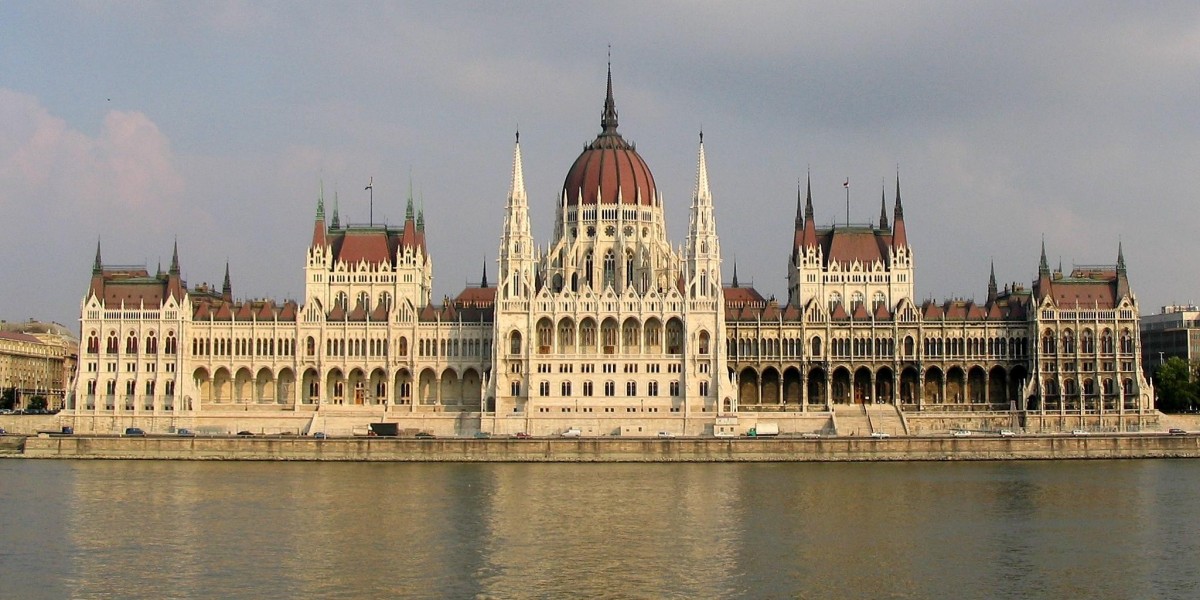
Completed in 1904 after more than a decade of construction, the Hungarian Parliament Building stands as one of Europe's most spectacular neo-Gothic structures. Architect Imre Steindl designed this masterpiece to house Hungary's National Assembly, and the attention to detail is breathtaking. The building stretches 268 meters in length and rises 96 meters high, crowned by 96 spires representing the 96 original Hungarian counties.
The facade alone tells Hungary's story through nearly 1000 sculptures depicting historical figures, coats of arms, and symbolic elements. But stepping inside reveals the true magic: the grand staircase carved from rose-gold marble, the central hall with its 10-story ceiling, and the ceremonial room where the Holy Crown of Hungary rests in guarded splendor. Guided tours run in multiple languages and provide fascinating insights into Hungary's political history.
Buda Castle Hill: Medieval Charm Above the River
Cross the iconic Chain Bridge (Széchenyi Lánchíd) to reach Buda's Castle District, a UNESCO World Heritage area that transports visitors back centuries. The Royal Palace complex, rebuilt in the reconstructed baroque style after World War II, now houses the Hungarian National Gallery and Budapest History Museum. But the real joy is wandering the cobblestone streets without a map, discovering hidden courtyards and surprise viewpoints at every turn.
Matthias Church remains one of the district's crown jewels. Its colorful tiled roof, completed in 1902, shows the double-headed eagle of the Habsburg Empire alongside Hungarian motifs. The interior frescoes and stonework hosted the coronations of Hungarian kings, making it a living monument to the nation's Christian heritage. Nearby, Fisherman's Bastion offers what many consider the best panoramic views of Pest across the river.
Thermal Baths: Wellness Tradition Spanning Millennia
Budapest's position atop over 100 thermal springs has earned it the title "City of Spas." The experience varies dramatically between baths, each with its own character and history. Széchenyi Thermal Bath in City Park might be the most photographed - an enormous neo-baroque complex built in 1913. Even in winter's grip, steam rises from outdoor pools, creating an almost mystical atmosphere as bathers soak in medicinal waters rich in minerals said to ease arthritis and muscle tension.
Rudas Baths offer something entirely different - a 16th century Ottoman-era experience. The Turkish dome still crowns the main pool, and nighttime bathing from Friday to Sunday transforms into an otherworldly experience under colored lights. For Art Nouveau enthusiasts, Gellért Baths represent architectural beauty, with their famous tile work and stained glass windows creating an Instagram-worthy setting for relaxation.
Ruin Bars: Creative Rebirth in the Jewish Quarter
In the early 2000s, entrepreneurs began transforming abandoned buildings in the Jewish Quarter into bars, creating Budapest's famous "ruin pub" scene. Szimpla Kert pioneered this movement, and today dozens of these unique venues exist. The aesthetic is deliberately eclectic: mismatched furniture, vintage decorations, and artistic installations create spaces that feel more like art galleries than traditional bars.
These spaces represent something distinctly modern about Budapest - a creative energy that emerged as Hungarians embraced democratic freedoms. Many serve craft beers from Hungarian microbreweries alongside traditional wines, making them excellent places to sample local flavors.
Culinary Delights: Beyond Goulash
Hungarian cuisine extends far beyond goulash. While that iconic stew remains worth trying, don't miss chimney cake (kürtőskalács) from street vendors - a sweet spiral pastry that's best warm. For something savory, try lángos (deep-fried dough topped with sour cream and cheese) or hurka (blood sausage with pinhead oats).
Traditional restaurants like Rosenstein serve elevated Hungarian classics, while modern spots like Mazel Tov blend Jewish traditions with contemporary dining. The Great Market Hall offers an authentic food experience - browse stalls selling paprika, pickles, and local specialties while upstairs vendors serve traditional dishes on communal tables.
Practical Visitor Information
Budapest's public transport system ranks among Europe's best, with metro, trams, and buses all integrated. Purchase tickets at metro stations or newsstands, and validate them immediately. The 24-hour travel card offers excellent value for active explorers.
The Hungarian Forint (HUF) is the local currency, though euros work in many tourist areas. ATMs are plentiful, and credit cards widely accepted. Language-wise, learning basic phrases goes a long way - Hungarian is a notoriously complex language, but locals appreciate even simple attempts like "köszönöm" (thank you) and "viszlát" (goodbye).
? Photo: Parliament building, Budapest
Photographer: Dirk Beyer
License: CC BY-SA 3.0
Source: Wikimedia Commons
? Learn more about Budapest: