
Austria's Most Photogenic Lakeside Village
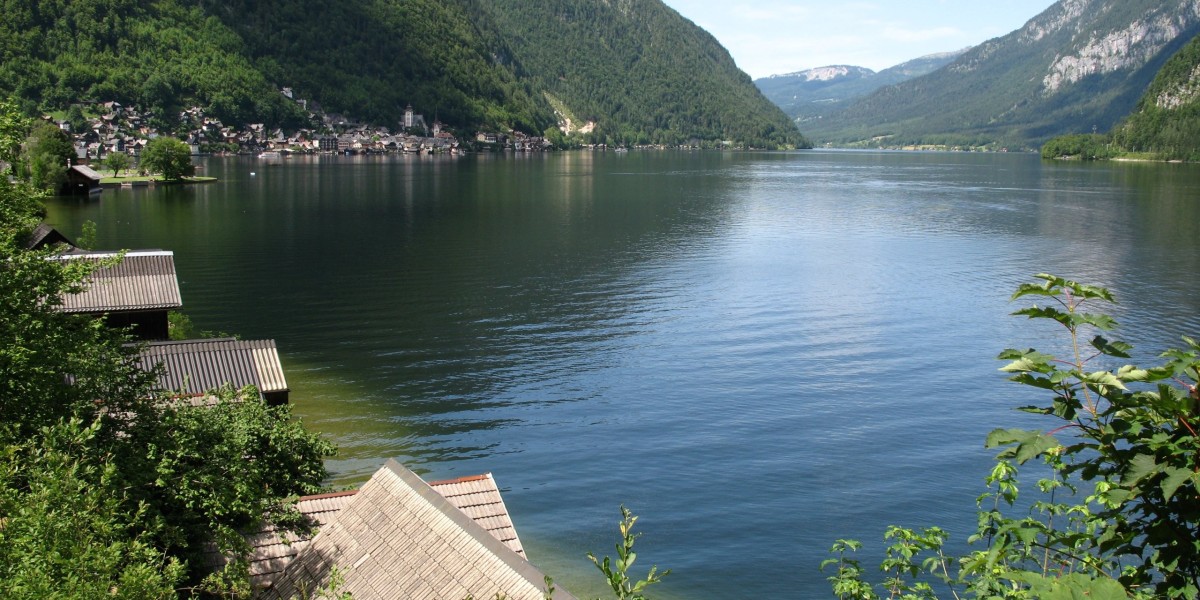
If you've ever dreamed of stepping into a storybook, Hallstatt is the place that makes that dream real. This tiny Austrian village clings to the western shore of Hallstätter See like something out of a fairy tale, with pastel-colored houses cascading down steep slopes toward the water's edge. I visited in late spring when the surrounding Alpine peaks were still dusted with snow, and the reflection of the village on the lake's surface created a mirror image so perfect I couldn't tell which was real and which was reflection. The scene has become one of the most recognizable images of Austria, and for good reason – it's absolutely breathtaking.

? Photo: Lake Hallstatt, view from south onto Hallstatt, Austria
Photographer: Andrew Bossi
License: CC BY-SA 2.5
Source: Wikimedia Commons
Getting There: The Journey is Part of the Magic
Hallstatt isn't exactly on the way to anywhere – and that's precisely its charm. From Salzburg, it's about an hour's drive through winding Alpine roads that offer increasingly dramatic views. The final approach is via a tunnel carved straight through the mountainside, and when you emerge on the other side, you'll understand why this place draws visitors from around the world. There's a small parking area above the village, and from there you descend via a series of switchbacks or the charming funicular railway. I highly recommend the funicular – it's part of the experience and saves your legs for more exploring later.
Salt Mining: The Ancient Industry That Built This Place
Hallstatt's story begins over 7,000 years ago with salt mining. The village's name itself derives from the Celtic word for salt ("hal"), and the Salzbergwerke (salt mine) was the economic engine that shaped this community. Today, visitors can tour the mines and even slide down original wooden chutes into underground caverns. The Hallstatt Culture (800-450 BCE) flourished here, and many of the world's earliest iron-age artifacts were discovered in these very hillsides. The museum displays elaborate grave goods, including a stunning prehistoric salt miner's grave that provides fascinating insight into ancient life in this region.
The Skywalk: A View Worth Every Step
The "World Heritage View" platform (Welterbeblick) sits 360 meters above the village and offers panoramic views that stretch across three countries on clear days. I climbed the 300+ steps to the top, stopping frequently to catch my breath and marvel at the valley below. The wooden viewing platform is a modern addition, but the vista it provides is timeless – emerald forests, the serpentine lake, and the Dachstein ice caves glinting in the distance. Bring your camera – this is the money shot that everyone wants for their social media.
Above and Below: The Bone House Tradition
In true Austrian fashion, you'll want to visit the "Hallstatt Bone House" (Beinhaus) – not as macabre as it sounds, but rather a touching reminder of the village's history. With limited space in the cemetery, families historically decorated the skulls of their ancestors and displayed them in a small chapel. It's a unique cultural tradition that speaks to the community's connection to its past. You'll find more traditional Austrian architecture throughout the village center, where every corner seems to offer another photogenic angle.
Culinary Delights and Where to Find Them
After a morning of exploring, head to the Gasthof zur Post for authentic Austrian cuisine. The lakeside terrace offers spectacular views while you dine. Try the local specialty, Kasnocken (cheese dumplings) – they're hearty enough to fuel another round of sightseeing. For something sweet, the local bakeries offer Apfelstrudel that rivals anything you'll find in Vienna. Don't miss the salt shop for authentic souvenirs – you can buy everything from salt crystals to hand-carved wooden items made by local craftspeople.
? Learn more about Hallstatt:
Planning Your Visit: Practical Tips
Best time to visit? Late spring through early fall. Winters are quiet but the village can feel closed up. Stay overnight if you can – day-trippers tend to arrive in mid-morning and depart by late afternoon, but the village truly transforms when you have it almost to yourself at sunset. The village has several traditional guesthouses and hotels, many with lake views. The Heritage Hotel Hallstatt offers rooms with direct views of the lake, while Pension Grüner Hof provides more budget-friendly accommodations with authentic Alpine charm. Book early – the village has limited lodging options and they fill up quickly, especially during summer months.
Final Thoughts
Hallstatt delivers on its promise of enchantment, but it's more than just a pretty face. This is a community with deep roots, a fascinating history, and natural beauty that changes with every season. Whether you come for the photography, the history, or simply to recharge among the mountains, you'll leave with a piece of this lakeside magic tucked away in your memories. I spent three days exploring the area and still felt like I was just scratching the surface. Consider combining Hallstatt with a visit to nearby Dachstein Salzkammergut region – the mountains offer hiking trails and stunning vistas that perfectly complement the lakeside charm.
#travel #austria #lakeside #unesco #alps #hallstatt