
Geirangerfjord: Norway's Crown Jewel of Natural Beauty
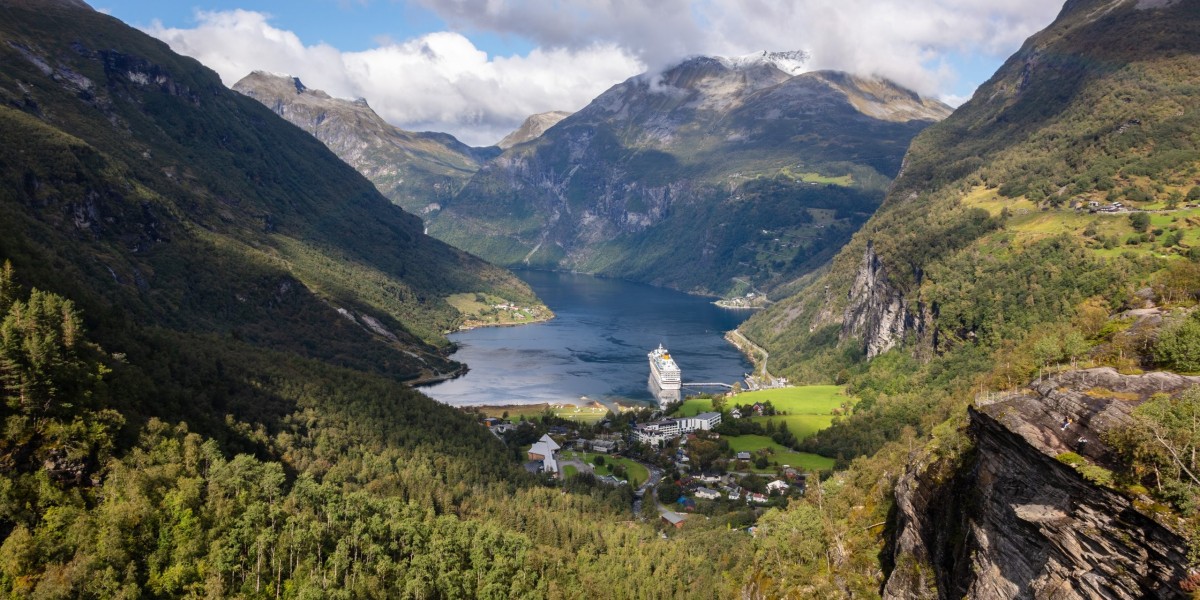
Nestled deep within the rugged mountains of western Norway, Geirangerfjord stands as one of Europe's most breathtaking natural wonders. This UNESCO World Heritage site stretches 16 kilometers in length and reaches depths of over 500 meters, carved by ancient glaciers during the last ice age. But what truly sets Geirangerfjord apart isn't just its impressive statistics – it's the dramatic scenery that unfolds around every bend. The fjord's steep rock walls rise nearly 1,500 meters straight up from the water, creating a sense of awe that's difficult to put into words.

? Photo: Geirangerfjorden from Flydalsjuvet, Norway
Photographer: Diego Delso
License: CC BY-SA 4.0
Source: Wikimedia Commons
The Dramatic Landscape and Waterfalls
The fjord's steep rock walls rise up to 1,500 meters above sea level, creating a sense of awe that's difficult to capture in photographs. Along the cliffs, you'll discover dozens of waterfalls cascading directly into the emerald-green waters below. The most famous of these include The Seven Sisters – a group of seven separate falls that tumble down the mountainside in perfect harmony. According to Visit Norway, a scenic cruise is the best way to appreciate the full scale of these waterfalls, as many are only visible from the water level.
The village of Geiranger, home to just 250 permanent residents, sits quietly at the fjord's eastern end. This tiny settlement transforms dramatically each summer as thousands of visitors arrive via cruise ships and the winding mountain roads. The contrast between the peaceful village life and the bustling tourist season creates a unique atmosphere that both locals and visitors cherish.
Adventure Awaits on Every Trail
For outdoor enthusiasts, Geirangerfjord offers endless possibilities. The most popular hiking destination is Dalsnibba, which provides panoramic views stretching across the entire fjord region. The viewpoint sits at an elevation of 1,476 meters and is accessible by a well-maintained gravel road – though it's worth noting that the road can close early in the season due to snow. The Norwegian Hiking Association recommends starting early in summer to avoid both crowds and afternoon fog that often rolls in during July and August.
If hiking isn't your preference, the fjord offers kayaking tours that let you explore hidden coves and get up close to waterfalls. Local outfitters provide guided trips ranging from two-hour paddles to full-day adventures. The calm waters of the inner fjord make it ideal for beginners, while more experienced paddlers can venture toward the outer reaches where the scenery becomes even more dramatic.
Practical Travel Tips for Your Journey
Getting to Geirangerfjord requires some planning. The nearest major city is Ålesund, about 120 kilometers away via the scenic Trollstigen road – famous for its eleven hairpin turns and stunning viewpoints. During summer months, buses connect Ålesund to Geiranger twice daily. For maximum flexibility, consider renting a car; the drive itself is half the adventure.
Accommodation options range from camping grounds to luxury hotels. The historic Hotel Union Geiranger, established in 1896, offers rooms with direct fjord views. Budget travelers can opt for the hostel in the village center, which provides clean, basic accommodations and an excellent base for exploring. Booking in advance is strongly recommended, as the limited accommodation fills quickly during peak season.
The Best Time to Experience the Fjord
Each season brings its own charm to Geirangerfjord. Summer (June-August) offers the warmest weather and full access to all hiking trails, though this is peak tourist season. Shoulder season (May and September) provides fewer crowds, lower prices, and the chance to see the village without the summer rush. Winter transforms the landscape into a serene wonderland, though many services close and roads may be impassable.
According to Norway's official tourism board, late May often provides the best balance – pleasant temperatures, blooming wildflowers, and fewer tourists than July. The waterfalls are particularly impressive during this time, fed by spring snowmelt from the surrounding peaks.
Why Geirangerfjord Stands Out from Other Destinations
Among Norway's countless fjords, Geirangerfjord distinguishes itself through its perfect combination of accessibility and pristine beauty. Unlike the more remote fjords of the Arctic north, Geirangerfjord receives enough visitors to maintain excellent tourist infrastructure while still preserving its wild character. The Norwegian government has invested heavily in sustainable tourism here, ensuring that future generations can experience this natural wonder without compromising its ecosystem.
The fjord's designation as a UNESCO World Heritage site in 2005 recognized not just its beauty, but its cultural significance. The traditional farming practices you can still see on the surrounding hillsides represent centuries of human adaptation to this dramatic landscape. This connection between people and place makes Geirangerfjord feel authentic in ways that more commercialized destinations lack.
Hiking Trails and Viewpoints You Must Not Miss
The Geiranger Skywalk at Dalsnibba offers perhaps the most iconic viewpoint in all of Scandinavia. At 1,476 meters above sea level, the platform extends out over the fjord's edge, providing heart-stopping views straight down to the water far below. The drive to the top takes about 30 minutes from the village, but allows multiple stops at viewpoints along the way.
For those seeking more adventure, the Storseterfossen waterfall trail provides a unique experience – you can actually walk behind the cascade and feel the power of the water from inside the rocky alcove. The trail takes about 45 minutes each way and involves some steep sections, but rewards hikers with perspectives impossible to gain from the fjord level.
Planning Your Complete Norwegian Journey
When visiting Geirangerfjord, consider connecting your trip with other nearby attractions. The famous Atlantic Road (Atlanterhavsvegen) lies within driving distance, offering another perspective on Norway's dramatic coastal scenery. The historic city of Bergen, with its colorful wooden houses and excellent fish market, makes an ideal starting point before heading into the fjord country.
Budget considerations are important – Norway ranks among the world's most expensive countries, and Geirangerfjord is no exception. However, the experience justifies the cost. This is one destination where saving tips won't disappoint visitors: the dramatic landscapes, clean air, and sense of wilderness are simply priceless.
Remember to check road conditions before setting out. While the main route from Ålesund remains open year-round, the high mountain roads to viewpoints like Dalsnibba close with the first significant snowfall, typically in October. The Norwegian Public Roads Administration provides updated conditions online in both Norwegian and English.
? Learn more about Geirangerfjord:
Whether you're seeking adventure, natural beauty, or simply a peaceful escape from modern life, Geirangerfjord delivers an experience that stays with you long after you've left. This is Norway at its most authentic – raw, beautiful, and utterly unforgettable.