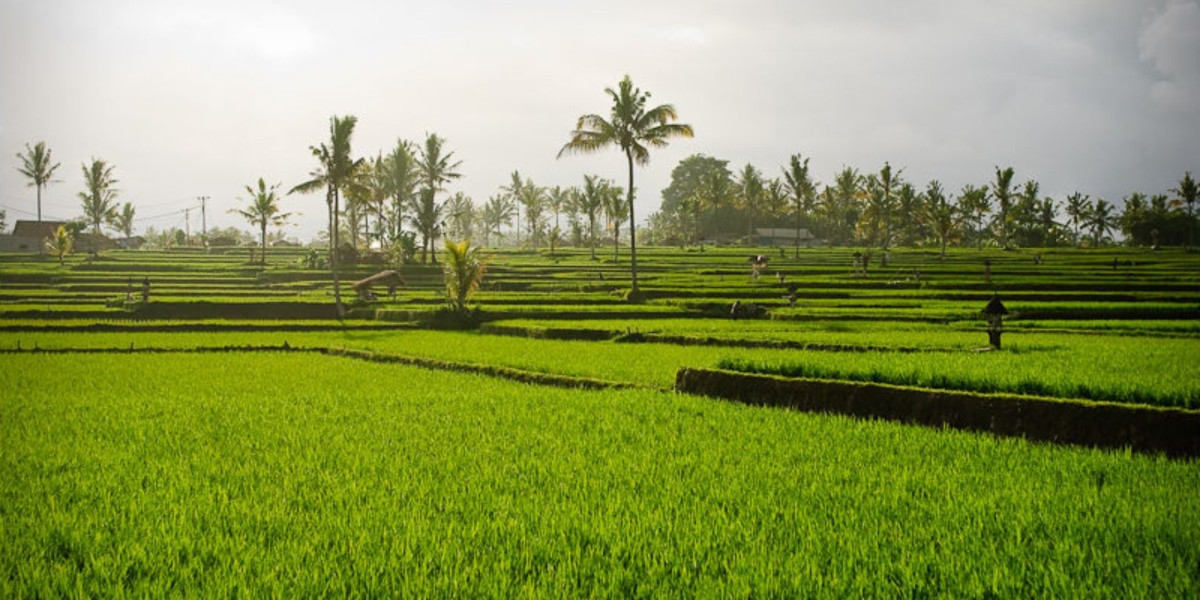

The rice terraces of Bali stand as one of the most spectacular agricultural feats in the world. Carved into the volcanic slopes of Central and East Bali, these ancient stepped gardens cascade down mountainsides, transforming lush green landscapes into living staircases that have sustained communities for centuries.
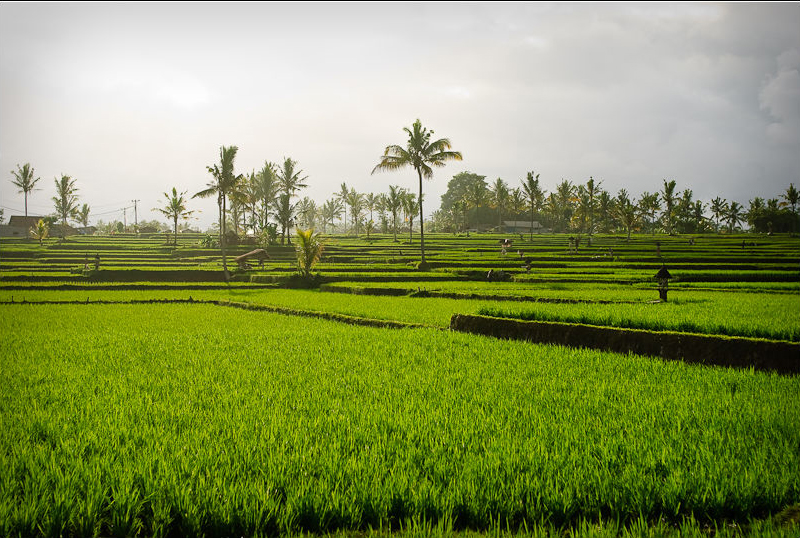
The UNESCO Heritage: Tegalalang Rice Terrace
At the heart of Bali's rice terrace story is the Tegalalang Rice Terrace, declared a UNESCO World Heritage Site in 2012 as part of the "Cultural Landscape of Bali." This 90-hectare terrace system, located just 15 kilometers west of Ubud, showcases the traditional subak irrigation system that has been meticulously maintained for over 1,000 years.
The subak system is not merely agricultural engineering—it's a UNESCO-recognized cultural heritage site itself, representing an "integrated system of water management" that combines traditional wisdom with sustainable environmental practices. According to the Indonesian Ministry of Tourism and Creative Economy, the subak irrigation system involves 4,000 villages across Bali, with over 300,000 farmers working together under a system of shared governance.
"The subak is a living testament to the harmony between humans and nature in Bali," explains Dr. Putu Adhi, a cultural heritage researcher at Universitas Udayana. "It's not just about growing rice—it's about maintaining balance between different rice fields, ensuring everyone gets water at the right time, and preserving the spiritual aspects of farming."
Ubud's Hidden Terraces
While Tegalalang is the most famous, Ubud is home to several lesser-known terraces that offer more intimate experiences. The Tegallalang Monkey Forest Trail, located near the Monkey Forest Sanctuary, provides a more secluded path through rice fields with panoramic mountain views. Visit this trail at sunrise for the most spectacular lighting.
For those seeking adventure, the "Lost Waterfalls" trekking route winds through rice terraces before leading to hidden waterfalls. This 4-kilometer journey takes hikers through bamboo bridges, suspension walkways, and through the dense jungles of the Bali Barat National Park. The trail is best done with a local guide who knows the seasonal patterns and hidden viewpoints.
Sustainable Farming in Modern Bali
Bali's rice terraces represent a model of sustainable agriculture that's increasingly relevant worldwide. Unlike industrial rice farming elsewhere, Bali's terraces use organic fertilizers, natural pest control, and water recycling systems. The terraces themselves act as natural reservoirs, capturing rainwater and preventing soil erosion.
"Modern farming consumes massive amounts of water and chemicals," says Sarah Williams, a sustainability consultant based in Bali. "Bali's terraces prove you can grow food sustainably without industrial inputs. The biodiversity in these landscapes—birds, insects, plants, and crops—creates a natural ecosystem that supports itself."
Cultural Significance and Spiritual Meaning
In Balinese culture, rice is considered sacred—it's the foundation of life and central to religious ceremonies. The opening of the agricultural year, known as Galungan, involves elaborate ceremonies at the subak temples. Each rice field has its own guardian spirit (bathara) that farmers honor through offerings.
The terraces serve as living temples in Bali's landscape. Visitors can witness traditional ceremonies at sunrise, when farmers offer flowers and incense to honor the spirits of the land and the rice goddess, Dewi Sri. These ceremonies mark important milestones in the rice-growing calendar.
? Learn more about Bali Rice Terraces:
#Bali #RiceTerraces #Ubud #UNESCO #SustainableFarming #TravelIndonesia #CulturalHeritage #NatureLovers #TravelGuide #ExploreMore