Master the Art: A Beginner's Guide to Travel Photography
Learn the essential techniques and equipment for capturing stunning travel memories, from composition basics to lighting mastery.
.jpeg)
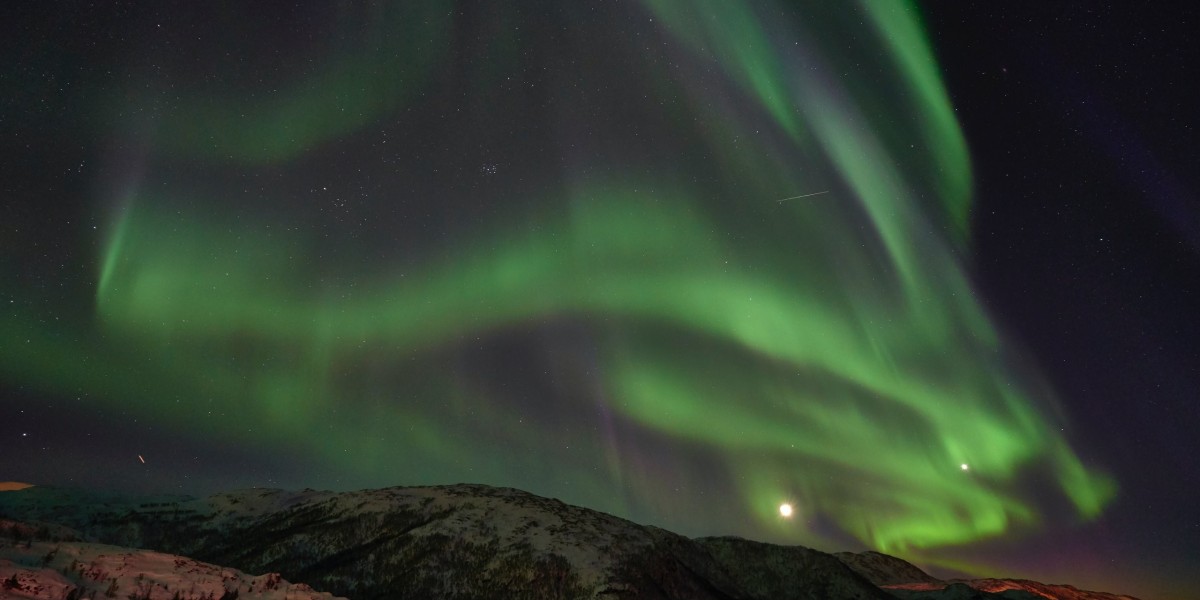
Photo: Boseong Green Tea Field
Photographer: Jungil Kim
License: CC0 Public Domain
Source: Wikimedia Commons
Learn more about travel photography:
Essential Photography Equipment
While you don't need expensive gear to take great travel photos, having the right equipment can significantly improve your results. Start with a versatile zoom lens (18-55mm or 16-35mm) that covers wide angles for landscapes and telephoto for portraits. A good quality camera body is essential, but your smartphone has come far in recent years. Don't forget your tripod for low-light situations and night photography.
Composition Techniques Every Traveler Should Know
The rule of thirds is fundamental: imagine dividing your frame into a 3x3 grid and placing key elements along the lines or at intersections. Leading lines can draw the viewer's eye through your image, whether it's a road, river, or architectural element. Frame within a frame using windows, arches, or natural elements to add depth. Look for patterns and repetition in nature, architecture, and cityscapes.
Lighting: Your Best Friend
Golden hour—just after sunrise or before sunset—provides the soft, warm light that creates the most beautiful photographs. The light angle is lower, creating dramatic shadows and rich colors. Midday light is often too harsh and creates unflattering shadows. For indoor photography, understand how natural light behaves in different spaces. In low-light conditions, use higher ISO settings (though this introduces noise) or slower shutter speeds with a tripod.
Post-Processing Basics
Editing is essential for travel photography. Use software like Lightroom, Photoshop, or free alternatives like Darktable or GIMP. Start with subtle adjustments: white balance correction, exposure tweaks, contrast enhancement, and color saturation. Avoid over-editing—your photos should feel authentic. Crop strategically to improve composition, but don't stretch your photos unnaturally.
Practical Travel Photography Tips
Research destinations in advance—know what you're photographing and where the best vantage points are. Respect local customs and cultural sensitivities. Be patient; the perfect shot may take time. Shoot in RAW format for more editing flexibility. Backup your photos regularly to multiple locations. Consider hiring a local professional photographer once to learn from their perspective.
Common Mistakes to Avoid
Don't forget your camera in crowded places. Watch your exposure settings—auto mode can be tricky in changing light. Don't shoot from a distance; get closer to your subject. Avoid over-saturating colors. Don't ignore people in your frame—often they're the most interesting element. Clean your lens regularly.
Conclusion
Travel photography is about capturing moments that tell a story. Practice regularly, experiment with different techniques, and most importantly, have fun. Your photos are a permanent record of your travels, so take time to create something meaningful.
#travelphotography #photographytips #travel #photographyguide #wanderlust #photographylife #travelhacks #photoeducation #capturemoments #photographytips