
The Azores archipelago is Portugal's best-kept secret, floating like emerald jewels in the middle of the Atlantic Ocean. This autonomous region of Portugal offers travelers an extraordinary blend of volcanic landscapes, lush greenery, and authentic Portuguese charm that you won't find in the more crowded destinations of the mainland. Located approximately 1,000 miles west of Lisbon, these nine volcanic islands create a unique destination that feels worlds away from everyday life. Let me share why this remote paradise should be on your travel bucket list.

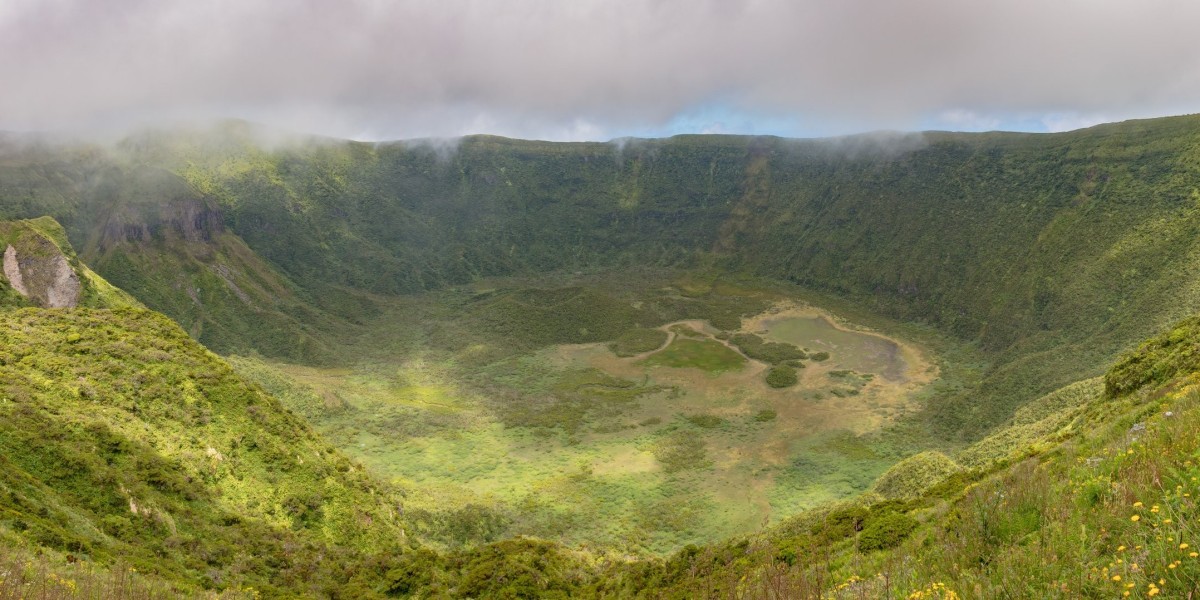
? Photo: Caldeira Volcano, Faial Island, Azores, Portugal
Photographer: Diego Delso
License: CC BY-SA 4.0
Source: Wikimedia Commons
Volcanic Landscapes Like No Other
The Azores are essentially the peaks of some of the world's tallest mountains, created by volcanic activity over millions of years. The Caldeira volcano on Faial Island, shown above, is a perfect example - a massive stratovolcano reaching 1,043 metres above sea level with a spectacular 2-kilometer wide caldera that drops 400 metres below the rim. Walking along the crater's edge, you'll feel like you're on another planet entirely.
Sete Cidades on São Miguel Island offers another iconic vista - twin lakes nestled in a volcanic crater, with the blue of the water reflecting the ever-changing sky. Local legend says these lakes were formed by a princess whose tears created the perfect blue-green hues. The contrast between the dark volcanic soil and the vibrant greenery creates landscapes that are simply unforgettable.
Geologically, the Azores sit at the intersection of three major tectonic plates: the North American, Eurasian, and African plates. This unique position creates not only dramatic landscapes but also the volcanic activity that shapes daily life on the islands. The most recent volcanic eruption occurred in 1957 on Capelinhos, creating new land that briefly made the island of Faial bigger. Visitors today can explore the Capelinhos Volcano Interpretation Center to learn about this fascinating event.
Thermal Springs and Natural Wonders
Thanks to the volcanic activity, the Azores are dotted with natural hot springs and thermal pools. The thermal springs in Furnas (São Miguel Island) reach temperatures up to 100°C, creating a surreal landscape where you can actually cook food using the geothermal heat. Try the famous "cozido das Furnas" - a traditional stew that locals prepare by burying pots in the hot earth for hours, letting the volcanic heat do the cooking.
The island of Terceira features the Algar do Carvão, an ancient volcanic vent that's now a popular tourist attraction. The photo above captures this dramatic underground chamber, where you can descend into the earth and see the geological history written in stone. Walking through this 100-meter long lava tube feels like stepping into another world, with walls of glistening silica and perfectly formed stalactites.
Don't miss the hot springs of Ponta da Ferraria on São Miguel, where natural thermal waters flow directly into the ocean. Or visit the Caldeira Velha on the same island, surrounded by lush forest that creates a mystical atmosphere. These natural spas offer the perfect way to relax after hiking and are completely free to visit.
Whale Watching Paradise
The Azores are one of the world's premier whale-watching destinations. The surrounding waters are home to over 20 species of whales and dolphins, including sperm whales, blue whales, and humpback whales. The waters here are deep and clean, creating the perfect feeding ground for these magnificent creatures. Sperm whales, in particular, are year-round residents, making the Azores one of the few places where you can reliably see these giants.
Spring through fall is the peak season, with boat tours departing daily from Ponta Delgada, Horta, and other coastal towns. Local guides are knowledgeable and respectful of marine life, ensuring sustainable tourism practices. The Azores were pioneers in responsible whale watching, with strict codes of conduct that protect these incredible animals while allowing visitors to experience them safely.
Beyond whales, the Azores offer excellent diving and snorkeling opportunities. The underwater landscape is just as dramatic as the surface, with volcanic formations, caves, and arches creating habitats for an incredible diversity of marine life. Professional dive centers operate on most islands, offering everything from introductory dives to technical cave explorations.
Practical Travel Tips
Getting to the Azores is easier than ever with direct flights from Lisbon, Porto, and many European hubs. The archipelago has three main airports: João Paulo II (Ponta Delgada, São Miguel), Horta (Faial), and Lajes (Terceira). Once there, renting a car is the best way to explore - the winding coastal roads offer breathtaking views at every turn.
The best time to visit is late spring through early fall (May-October) when the weather is most stable and all attractions are accessible. Winter brings more rain but fewer crowds and dramatic storm-watching opportunities. Spring is ideal for seeing the hydrangeas in bloom - the islands are famously covered in these vibrant blue flowers, creating a stunning contrast against the green hills.
Accommodation ranges from luxury resorts to charming guesthouses. The "pousadas" - historic hotels converted from monasteries or manor houses - offer unique stays with character. Local cuisine features fresh seafood, cheese from São Jorge, and the famous pineapple from São Miguel, grown in greenhouses that create a distinctive flavor.
? Learn more about Azores:
#Azores #Portugal #Travel #Volcano #Islands #Nature #WhaleWatching #Europe