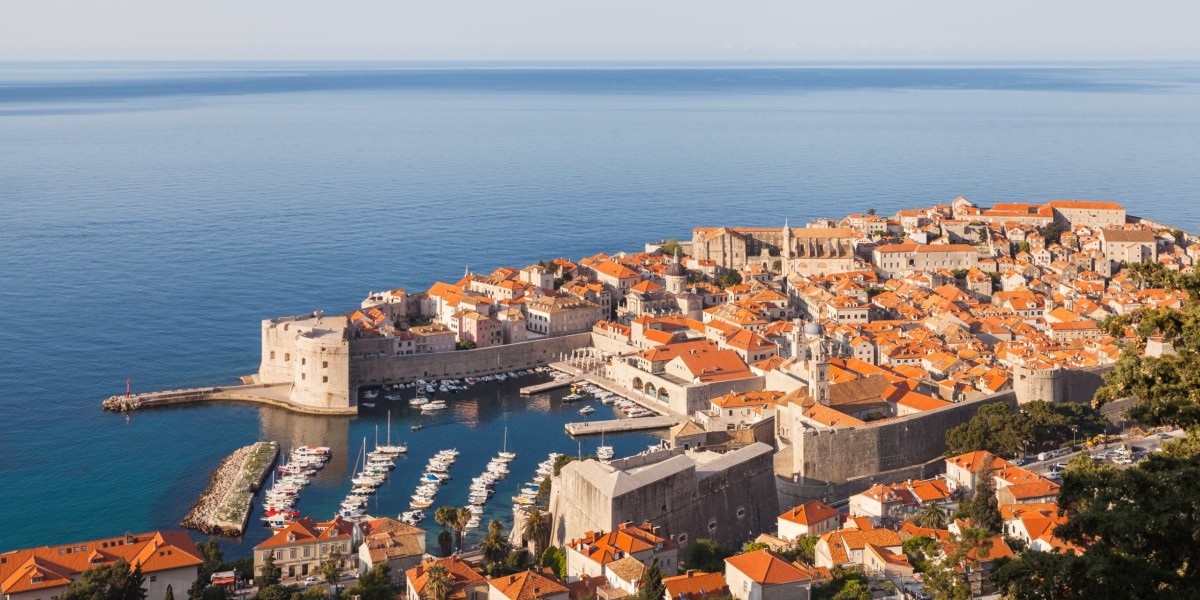

Dubrovnik isn't just a Croatian city — it's a living museum suspended in time. As I stepped through the Pile Gate onto the Stradun, the limestone-paved main street that stretches like a white ribbon through the heart of the Old Town, I understood why this place has captivated travelers for centuries. The morning light was casting long shadows across buildings that have watched empires rise and fall, and the Adriatic Sea sparkled beyond the ancient city walls like scattered diamonds.

? Photo: Old Town of Dubrovnik, Croatia
Photographer: Diego Delso
License: CC BY-SA 3.0
Source: Wikimedia Commons
The first thing that strikes you about Dubrovnik's Old Town is its immaculate preservation. Walking these streets feels like stepping into a medieval postcard, yet the city pulses with contemporary life. Locals greet each other from windows with the familiarity of decades, while the scent of fresh coffee and pastries drifts from café terraces. This UNESCO World Heritage site manages the delicate balance between museum piece and living community — no small feat for a place that welcomes millions of visitors annually.
The Walk of Walls and Wonder
No visit to Dubrovnik is complete without walking the city walls. These fortifications, built between the 12th and 15th centuries, form a perfect rectangle around the Old Town that takes about two hours to complete. From the ramparts, you'll see terracotta rooftops cascading toward the sea, the majestic towers standing sentinel against endless blue, and the impossible drop to the clear waters below. The views of Lokrum Island and the distant Dalmatian islands create a panorama that photographers dream about.
For the best experience, walk the walls early morning or late afternoon to avoid both crowds and harsh midday sun. Bring water — there are no vendors along the path — and wear comfortable shoes for the uneven limestone steps. The entrance fee supports ongoing conservation efforts, proving that responsible tourism can indeed make a difference.
Hidden Corners Beyond the Main Drag
While the Stradun draws the crowds, Dubrovnik's true magic lives in its side streets. Duck into the alleys behind the main thoroughfare and you'll discover quiet courtyards where laundry flutters between historic buildings, small chapels tucked into unexpected corners, and artisan workshops where craftspeople still practice trades inherited from their grandparents. The Franciscan Monastery houses one of Europe's oldest pharmacies, dating back to 1317, where you can purchase herbal remedies just as medieval pilgrims once did.
Rector's Palace, once the seat of the Republic of Ragusa's government, now serves as a cultural center and museum. The architecture here — Gothic columns meeting Renaissance arches — tells the story of a city that was once a maritime power rivaling Venice. Climb to the top floor for a modest fee and you'll be rewarded with views that put the entire Old Town into perspective.
Dubrovnik for the Modern Explorer
Today's Dubrovnik offers more than ancient stones. Cable cars whisk visitors up Mount Srđ for sunset cocktails with panoramic views, while kayak tours allow you to see the city walls from the water — a perspective few experience. For Game of Thrones fans (King's Landing was filmed here), guided tours visit filming locations, but even without pop culture interests, the city's cinematic beauty is undeniable.
Local cuisine deserves attention beyond the tourist strip. Fresh Adriatic seafood, prepared simply with local olive oil and herbs, appears in family-run konobas that dot the narrow streets. Try the black risotto made with cuttlefish ink, or fresh octopus salad — both taste like the sea itself, cleaned and plated with honest simplicity.
Practical Magic for Your Visit
Dubrovnik's popularity means planning matters. The summer cruise ship season (May through September) brings thousands of visitors daily; arrive early or stay late to enjoy the city's authentic rhythm. Accommodation within the walls offers atmosphere, but those just outside provide better value and easier access to parking.
Despite its fame, Dubrovnik remains surprisingly accessible. Croatia's EU membership simplifies logistics for European travelers, while the city's walkability means you can see major sights in a single day, with longer stays rewarding those who want to absorb the subtler details — like how the evening light transforms the limestone buildings from white to gold, or how the evening breeze carries the scent of orange blossoms from nearby gardens.
? Learn more about Dubrovnik:
#travel #croatia #explore