
Santorini isn't just a destination—it's a feeling. The moment you step onto this iconic Greek island, you'll understand why travelers from around the world make the journey here, despite the crowds and steep prices. But beyond the postcard-perfect photos lies a place with genuine soul, ancient history, and experiences that stay with you long after you leave.

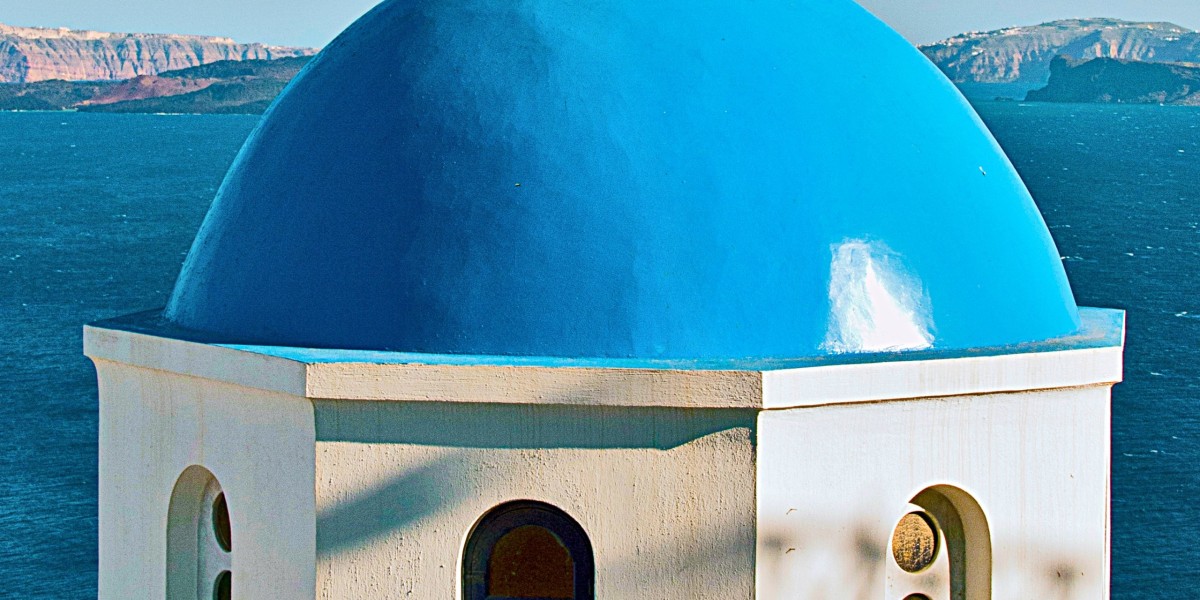
? Photo: Blue Dome @ Santorini Oia
Photographer: Kevin Poh
License: CC BY 2.0
Source: Wikimedia Commons
Why Santorini Captivates Every Visitor
The island's appeal goes beyond aesthetics. Santorini is actually a massive caldera formed by one of history's largest volcanic eruptions around 1600 BCE. This violent geological history created the dramatic cliffs and blue-domed churches that define the landscape today. The white buildings aren't just pretty—they reflect the intense Mediterranean sun, keeping interiors cool in summer.
What makes Santorini special is how it balances tourism with tradition. Despite being one of Greece's most visited islands, you'll still find local winemakers crafting vino from ancient grape varieties, fishermen bringing in fresh catch to small tavernas, and families gathering in village squares as they have for generations.
Getting There and Around
Santorini's airport (JTR) receives flights from Athens year-round and seasonal service from major European cities. The ferry from Athens takes 5-8 hours depending on the operator. Once on the island, buses connect major towns, but renting an ATV or car gives you freedom to explore hidden coves and viewpoints.
Budget tip: Stay in Perissa or Kamari for half the price of Oia, and take the bus to Oia for sunset (it's worth the trip, but you don't need to stay there).
Oia: Worth the Hype?
Oia delivers exactly what Instagram promises—the cascade of whitewashed buildings, the iconic blue domes, and sunsets that paint the sky in impossible colors. But arrive early (before 3 PM) to avoid the cruise ship crowds, and explore the backstreets where you'll find quiet courtyards and artisan shops selling locally-made ceramics.
The famous sunset viewing spot fills up by 5 PM in peak season. My recommendation: find a café with a view, order a Mythos beer, and enjoy the show without the jostling.
Hidden Gems Most Tourists Miss
Skip the packed beaches of Perissa and head to Vlychada instead—these lunar-like cliffs and black sand feel worlds away from the party scene. For authentic Greek culture, visit Pyrgos village, where the Venetian castle offers panoramic views and the local tavernas serve family recipes passed down through generations.
Don't miss a wine tasting at one of the island's traditional wineries. Santorini's volcanic soil produces distinctive Assyrtiko white wines—you can tour family-run vineyards in the interior villages and taste vintages unavailable anywhere else.
Practical Travel Tips
- Best time to visit: Late April-May or September-October for fewer crowds and pleasant weather
- What to pack: Comfortable walking shoes (those cobblestones are unforgiving), sunscreen, and a light jacket for evenings
- Money-saving: Book ferries in advance, eat where locals do, and consider a sunset catamaran cruise instead of expensive helicopter tours
- Local secret: The hike from Fira to Oia takes 2-3 hours but offers the island's best views—start in the evening and arrive in Oia for dinner
Experiencing Santorini Like a Local
Spend a morning in a local bakery watching the baker shape fresh lagana bread, or join an evening stroll (the Greek " volta") along the caldera edge where families gather to chat and enjoy the sea breeze. These moments, more than any photo opportunity, capture the heart of Santorini.
? Learn more about Santorini:
Whether you're planning your first visit or returning to rediscover old favorites, Santorini rewards those who look beyond the obvious. The island's magic isn't just in its beauty—it's in the layers of history, the warmth of its people, and those quiet moments when the Aegean light turns everything to gold.
#travel #Santorini #Greece #Mediterranean #explore