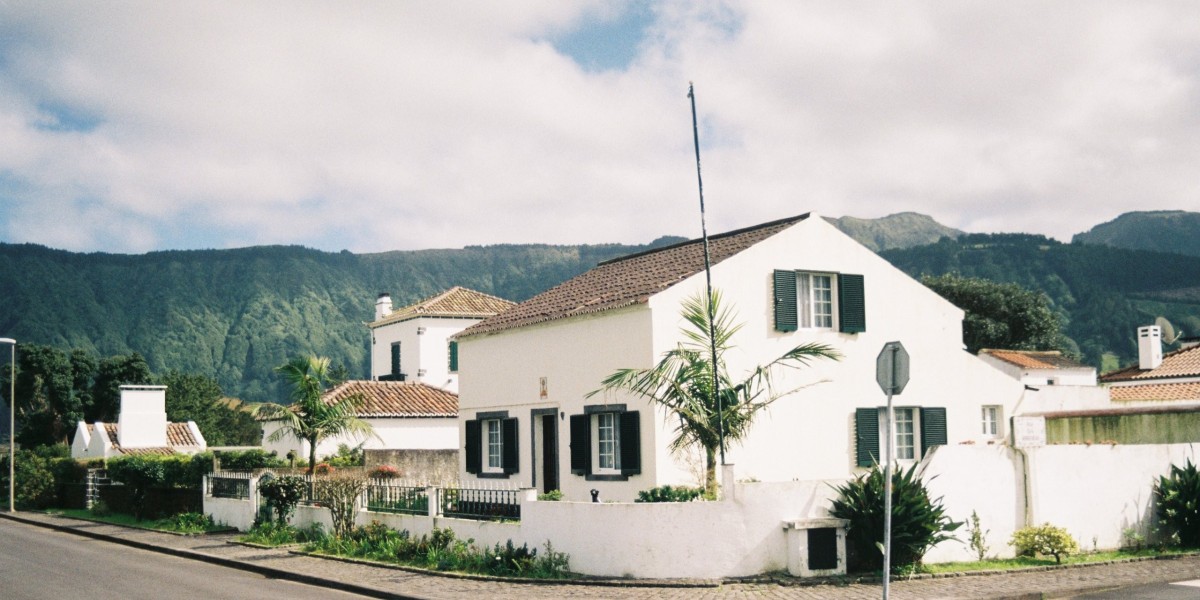

The Azores archipelago feels like stepping into a dream. Located 1,000 miles off Portugal's mainland in the middle of the Atlantic, these nine volcanic islands are a nature lover's paradise that most travelers have never heard of. With emerald lakes reflecting dramatic calderas, hot springs steaming under ancient trees, and hydrangeas blooming in every shade of blue, the Azores offers an authentic European adventure far from the crowds.

? Photo: Town of Sete Cidades, São Miguel island, Azores (Portugal)
Photographer: Gonçalo Torres
License: CC BY-SA 4.0
Source: Wikimedia Commons
What Makes the Azores So Special
The Azores sits at the intersection of three tectonic plates, making it one of the most geologically active regions in Europe. This volcanic heritage has created an otherworldly landscape: crater lakes of impossible blue, steaming fumaroles, and hot springs that invite you to soak under the open sky. Unlike the Greek islands or the Amalfi Coast, you'll find authentic Azorean culture here - farmers still tend terraced fields on volcanic soil, and locals gather at village markets selling fresh cheese and passionfruit liqueur. The isolation has preserved traditions that disappeared elsewhere - you'll still hear the ancient Gregorian chants in some churches, and traditional festivals celebrate harvests that have been observed for centuries.
The Twin Lakes of Sete Cidades
The view from the viewpoint overlooking the village of Sete Cidades is pure magic. The caldera holds two connected lakes - Lagoa Azul (Blue Lake) and Lagoa Verde (Green Lake) - named for their distinct colors. Local legend says they were formed by the tears of a princess and her lover. Walking the rim trail offers views that change with every step, from dense laurel forest to open pasture where cows graze against the lake backdrop. The surrounding mountains create a natural amphitheater, with the village nestled at the edge like something from a storybook. Rent a bike in the village and cycle around both lakes - a gentle 12km loop that takes about two hours with stops for photos.
Hiking Through Volcanic Valleys
The Azores boasts over 70 marked trails across the islands. On São Miguel, the Furnas Valley trail takes you past hot springs, through botanical gardens, and ends at Terra Nostra Park's thermal pool. The islands of Flores and Corvo are wilder - hiking here feels like exploring the edge of the world, with waterfalls cascading directly into the Atlantic and cliffs that drop 1,000 feet to the sea. Flores, named for its hydrangea-covered hills, has trails that lead to remote lagoons where you might have the entire valley to yourself. The misty climate means paths can be slippery, so proper hiking boots are essential. Don't miss the trail to Lagoa do Fogo (Lake of Fire) on São Miguel - the name comes from the island's reddish soil reflecting in the water.
Hydrangeas and Coastal Beauty
Azorean hydrangeas aren't just garden flowers - they mark property boundaries across the islands. In June and July, these blue pom-pom blooms line every road, creating a sapphire tunnel effect. The coastline varies dramatically: black sand beaches on São Miguel, perfect for sunrise photography. Ponta Delgada's waterfront promenade offers cafés with views of traditional Portuguese boats bobbing in the harbor. On the island of Pico, the volcanic stone walls (currais) that once protected vineyards from Atlantic winds are now UNESCO World Heritage sites. The black lava rock makes an unforgettable backdrop for sunset photos, especially from the famous Miradouro do Pico.
Whale Watching in the Mid-Atlantic
The Azores is one of the world's premier whale watching destinations. Sperm whales live year-round in these deep Atlantic waters, along with pilot whales, blue whales (seasonal), and dolphins. Local operators have practiced sustainable tourism for decades - the Azorean government pioneered whale watching regulations in the 1990s. Most tours depart from Ponta Delgada or Horta, with lookout men spotting spouts from coastal cliffs. The sperm whales are resident here because the deep waters (over 1,000 meters) are perfect for their favorite food - giant squid. Tours typically run 3-4 hours and spot 3-5 species on a good day. The lookouts (vigias) use centuries-old techniques passed down from whalers who once hunted these giants. Today, the only shots fired are from cameras.
Culinary Adventures in the Atlantic
Azorean cuisine is shaped by isolation and ocean bounty. Try cozido - a stew cooked underground using volcanic heat, where meats and vegetables are lowered into holes near hot springs. The Cozido da Furnas is legendary, with instructions for visitors to dig up their own pot after a few hours. Fresh seafood abounds: lapas (limpets) grilled with garlic, octopus prepared in traditional ways, and fresh fish that never left the island. The pineapple plantations near Ponta Delgada offer tours and tastings of the sweetest fruit you'll ever try. Each island has its specialty: grilled limpets on Pico, cheese on São Jorge, and the famous queijadas (cheese pastries) throughout.
When to Visit the Azores
Spring (April-June) offers the best combination of mild weather and blooming hydrangeas. Summer brings festivals and peak whale watching season. Fall (September-October) means harvest time - try fresh pineapple from local farms and join the grape harvest celebrations. Winter is quiet but perfect for storm watching and experiencing authentic island life without tourists. Each season has its charms: spring for flowers and fewer crowds, summer for festivals and boat tours, fall for food and wine, winter for dramatic landscapes and budget prices. The microclimate means layers are essential - it can be sunny on one side of an island while raining on the other.
? Learn more about the Azores:
#Azores #Portugal #Nature #Travel #Europe #WhaleWatching #Hiking #VolcanicLandscape