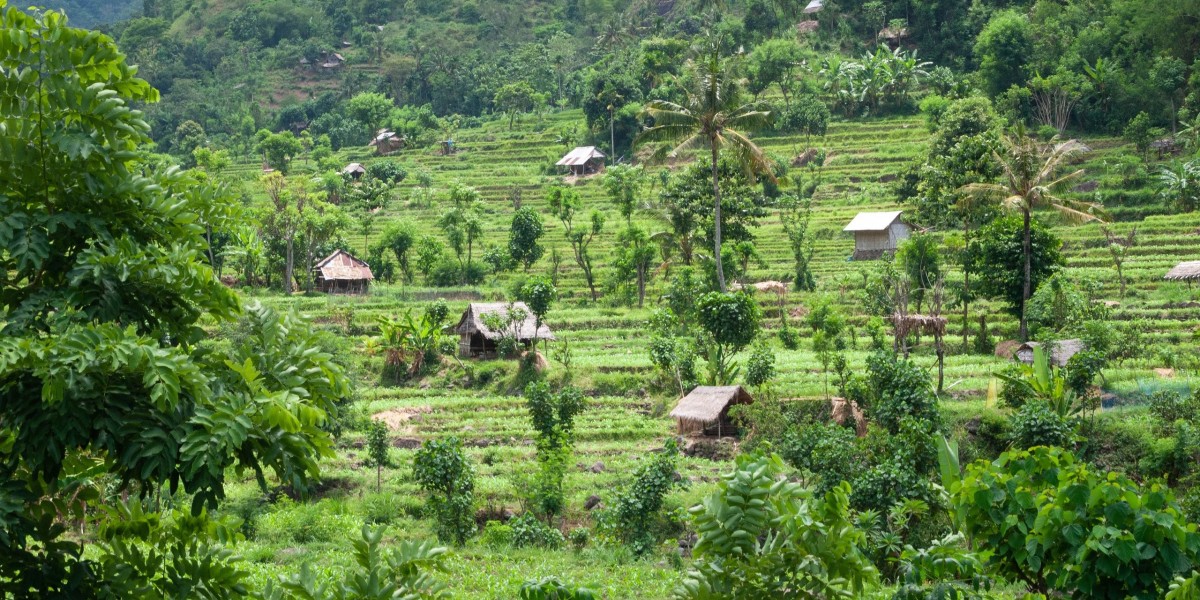

East Bali holds some of Indonesia's most captivating agricultural landscapes. Unlike the bustling tourist areas of Ubud or Seminyak, the northeastern slopes of Mount Lempuyang offer a glimpse into traditional Balinese farming that has remained largely unchanged for generations. The dramatic contrast between the emerald green terraces and the surrounding jungle creates a photographer's paradise that feels worlds away from the crowded southern beaches.
These valleys of rice fields, carved into the rich volcanic soil, are interspersed with lofty old-growth forests that create a dramatic natural tableau. The terraced fields follow the natural contours of the land, channeling water through ancient irrigation systems that have been in continuous use since the 9th century. The engineering marvel of these terraces becomes apparent when you realize they were constructed without modern machinery, using only hand tools and centuries of accumulated knowledge.

? Photo: Rice terraces in East Bali, Indonesia
Photographer: Vyacheslav Argenberg
License: CC BY 4.0
Source: Wikimedia Commons
The Subak System: UNESCO Heritage Irrigation
The secret behind these perfect terraces lies in the Subak irrigation cooperative system. This UNESCO World Heritage method distributes water from the mountain springs to each field in rotation, ensuring no farmer's crop goes without water. The system operates on Hindu philosophical principles of harmony between humans and nature, with water temples coordinating the flow based on religious calendars and ecological wisdom passed down through centuries.
Walking through these fields at sunrise, you'll see farmers in conical hats wading through muddy paddles, tending to their crops with techniques passed down through dozens of generations. The water buffalo still help with plowing, and organic pest control comes from strategically planted flowers and herbs around the field edges. This integrated approach produces rice with minimal chemical inputs while maintaining soil health and biodiversity.
Volcanic Soil and Agricultural Timing
The volcanic ash deposits from Mount Lempuyang's ancient eruptions create incredibly fertile soil. This is why the terraces here are among the most productive in Bali. The planting cycle follows a precise calendar tied to religious ceremonies, with new seedlings planted during specific weeks throughout the year. The timing isn't arbitrary — it reflects deep understanding of water availability, weather patterns, and pest cycles that has been refined over countless growing seasons.
The best time to visit is during the dry season (April to October) when the terraces are lush green and accessible. During the wet season, some paths become slippery and certain areas may be flooded for planting. Each phase of the rice growth cycle — from flooded paddies (germination) to bright green shoots (vegetative growth) to golden stalks (ripening) — offers different photographic opportunities and experiences. Local farmers are happy to explain timing details if you show genuine interest.
Historical Significance and Cultural Connection
These rice terraces represent more than just agriculture — they're a living cultural landscape. The Subak system, recognized by UNESCO, demonstrates how traditional ecological knowledge can create sustainable farming practices. The water temples that control the flow are active religious sites where ceremonies bless the crops and ensure prosperity. Each village has its own temple complex dedicated to Dewi Sri, the rice goddess, who is believed to watch over each harvest.
Unlike the more tourist-trodden areas, East Bali's agricultural communities maintain their traditional practices with minimal commercial influence. You can observe ceremonies during planting and harvest seasons, where entire villages participate in rituals led by local priests. The connection between spiritual practice and agricultural timing is profound — ceremonies for water blessings, planting, and harvest are conducted with precise timing to ensure cosmic harmony aligns with the crop cycle.
Local Cuisine and Culinary Traditions
The rice grown in these terraces isn't just sustenance — it's the foundation of Balinese cuisine. Traditional dishes like nasi campur (mixed rice) and lawar (spiced vegetables) rely on the distinct flavor profile of locally grown rice. Many village families still pound rice in wooden mortars using traditional methods, creating red rice varieties that have been cultivated here for generations. The terraces also support other crops like cassava, sweet potatoes, and vegetables grown in rotation with rice.
If you visit during harvest season, you may be invited to join in the traditional rice processing. Families gather to cut, thresh, and hull rice together, followed by celebrations that can last several days. The community aspect of farming here is as important as the agricultural techniques themselves.
Practical Tips for Visitors
These eastern areas remain genuine backwaters compared to southern Bali. The charm lies in how little commercialization has touched the landscape. Local guides can arrange walking tours that include visits to small village temples and traditional warungs (local eateries) serving simple but delicious Balinese dishes. The roads winding through the terraces connect several small villages, each with its own character and stories to share.
The viewpoint from the road leading toward Amed offers spectacular panoramic views. Morning light (7-9 AM) provides the best photography conditions, with the sun illuminating the terraces and casting long shadows from the coconut palms. Bring local currency (rupiah) for small purchases at village shops, and remember that these are working farms — respect the farmers' space and crops while exploring.
Getting There and Accommodation
The drive from Ubud to East Bali takes approximately 2-3 hours, passing through increasingly rural landscapes. The main villages near these terraces include Sidemen and Tenganan, where small guesthouses offer authentic homestay experiences. From Sidemen, walking paths lead directly into the terraced areas, and local guides can arrange multi-day treks that include overnight stays in different villages.
Transportation options include renting a scooter for independent exploration, hiring a driver for day trips from major tourist areas, or joining organized tours that focus on cultural and agricultural experiences. The latter option provides the most context, as guides often grew up in these communities and can share family stories and traditions that you'd otherwise miss.
? Learn more about Bali:
#Bali #Indonesia #RiceTerraces #Travel #Agriculture #UNESCO #Subak #SustainableFarming