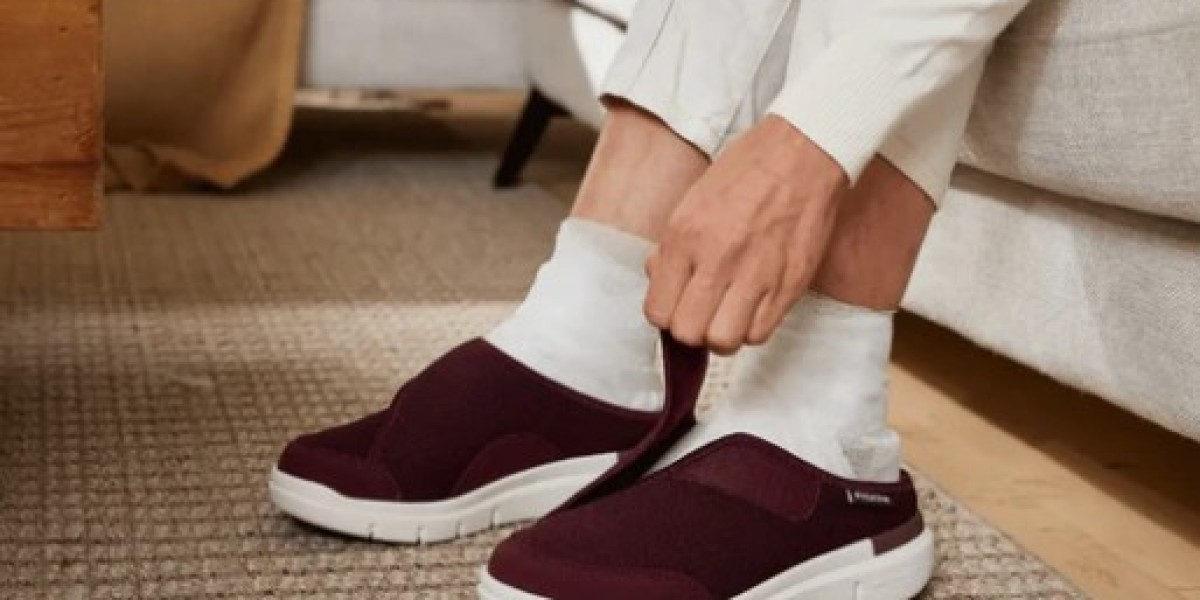

A diabetic shoe shop specialises in footwear designed to protect sensitive feet, reduce pressure, and support safe, comfortable walking. For people living with diabetes, choosing the right shoes is not just about comfort or style—it is an important part of foot health and daily care.
This article explains what a diabetic shoe shop offers, why it matters, and how to choose the right place to buy diabetic-friendly footwear.
Why Diabetic Shoes Are Important
Diabetes can affect the feet in several ways, including reduced sensation, poor circulation, slower wound healing, and changes in foot shape. Because of this, small problems like pressure points or friction can turn into serious issues if footwear is not suitable.
Diabetic shoes are designed to:
Reduce pressure on sensitive areas
Minimise friction and rubbing
Accommodate swelling or foot deformities
Improve comfort during walking or standing
Lower the risk of blisters, calluses, and ulcers
A dedicated diabetic shoe shop focuses on these needs rather than general fashion or standard shoe sizing.
What You’ll Find in a Diabetic Shoe Shop
A quality diabetic shoe shop usually offers more than just shoes. Common features include:
Specialised Footwear
Diabetic shoes typically have wider toe boxes, deeper interiors, soft linings, and cushioned soles. Many styles are available for everyday wear, walking, work, and even formal occasions.
Wide and Extra-Wide Fits
Many people with diabetes need more space due to swelling, bunions, or changes in foot structure. Diabetic shoe shops often carry wide, extra-wide, and high-volume options that are difficult to find in standard stores.
Removable Insoles
Most diabetic shoes include removable insoles, allowing room for custom orthotics or medical inserts without crowding the foot.
Adjustable Closures
Shoes with laces, straps, or hook-and-loop closures help fine-tune the fit throughout the day, especially if foot size changes due to swelling.
How to Choose the Right Diabetic Shoe Shop
Look for a Health-Focused Approach
A good diabetic shoe shop prioritises foot health over trends. Staff should understand diabetic foot concerns and be able to explain why certain designs or features are recommended.
Emphasis on Fit, Not Just Size
Diabetic shoes should be fitted based on length, width, depth, and overall foot shape. Shops that take time to assess fit properly are generally more reliable.
Range of Styles and Uses
The best shops offer options for different lifestyles—casual walking, work, indoor use, or outdoor activities—so customers don’t feel limited to one type of shoe.
Comfort First Philosophy
Shoes should feel comfortable immediately. A diabetic shoe shop should never encourage customers to “break in” shoes that feel tight or uncomfortable.
When to Visit a Diabetic Shoe Shop
You may benefit from shopping at a diabetic shoe store if you:
Have diabetes or prediabetes
Experience numbness, tingling, or sensitivity in your feet
Have swelling, bunions, hammertoes, or foot deformities
Spend long hours walking or standing
Wear orthotics or medical insoles
Have been advised by a healthcare professional to wear protective footwear
Even people without diabetes but with sensitive or high-risk feet may benefit from diabetic-friendly shoes.
Common Mistakes to Avoid
Buying standard shoes that feel tight because they “look fine”
Choosing shoes based on price rather than fit and protection
Ignoring width and depth requirements
Wearing shoes with hard seams or stiff interiors
Waiting until foot pain appears before changing footwear
Preventive care is always easier than treating foot problems later.
Caring for Diabetic Shoes
To keep diabetic shoes effective and comfortable:
Rotate shoes daily to allow them to air out
Keep insoles clean and replace them when worn
Check shoes regularly for internal wear or rough spots
Replace shoes once cushioning or support breaks down
Proper care helps maintain protection and comfort over time.
Final Thoughts
A diabetic shoe shop plays an important role in protecting foot health. By offering specialised designs, wide fits, soft interiors, and a comfort-first approach, these shops help reduce risks associated with diabetes and improve daily mobility.
Choosing the right diabetic shoe shop—and the right shoes—can make walking safer, more comfortable, and more confident every day.