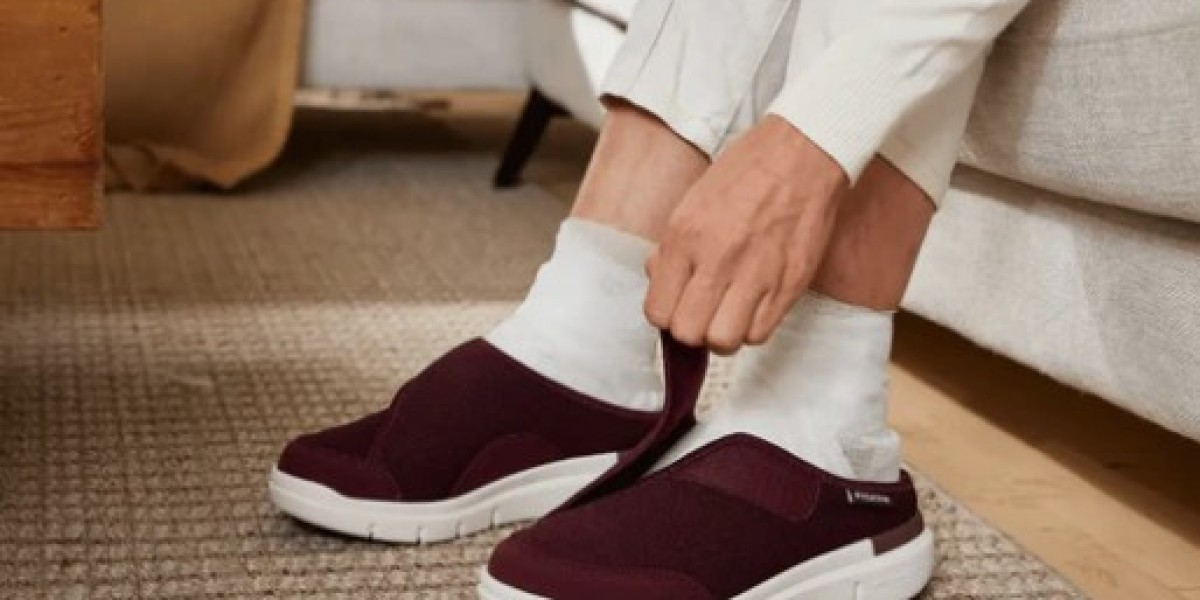

Diabetic neuropathy — nerve damage that often affects the feet — can reduce sensation and increase the risk of blisters, pressure sores, and injuries that might go unnoticed. Choosing the right best shoes for diabetics with neuropathy australia is more than a comfort choice — it’s part of protective foot care that helps maintain mobility and reduce complications.
Why Footwear Matters for Diabetic Neuropathy
Neuropathy causes numbness, tingling, or loss of feeling in the feet. Without proper footwear, even small irritations can lead to ulcers, infections, or longer‑term problems. The right shoes help by:
Reducing pressure and friction on sensitive areas
Accommodating swelling and foot shape changes
Improving balance and stability
Protecting feet from sharp objects and uneven ground
Key Features to Look For
1. Wide, Roomy Toe Box
A spacious toe box prevents squeezing and lets toes move naturally — reducing pressure points and the risk of blisters or sores.
2. Soft, Seam‑Free Interior
Interior seams and rough stitching can rub against skin and cause irritation. Shoes with smooth, seam‑free linings minimise this risk — especially important when sensation is reduced.
3. Good Cushioning and Shock Absorption
Extra padding in the insole and midsole absorbs impact on every step. This eases stress on sensitive nerves, reduces discomfort, and helps protect against joint strain.
4. Adjustable Fit
Feet can swell, especially later in the day. Shoes with adjustable closures like Velcro, elastic laces, or traditional laces let you customise the fit and avoid tightness.
5. Slip‑Resistant Outsole
Good traction reduces the risk of slips and falls, which are more dangerous when sensation and balance are compromised.
6. Breathable Materials
Breathable uppers help manage moisture and reduce fungal infections — especially useful in warmer Australian conditions.
Types of Shoes That Work Well
Supportive Walking Shoes: Everyday walking shoes with cushioning, supportive midsoles, and a wide toe box are great for daily use and gentle exercise.
Orthopaedic or Diabetic‑Friendly Footwear: Designed for foot conditions common with diabetes, often with extended depth, removable insoles, and seamless interiors.
Adjustable Casual Shoes: Helpful if feet swell or you need to accommodate thicker socks.
Supportive Trainers or Sneakers: Extra cushioning and stable heels help reduce pressure and make walking more comfortable.
Extra Tips for Australians
Fit shoes later in the day when feet are naturally slightly swollen.
Wear diabetic‑friendly socks (seamless, moisture‑wicking) to reduce friction and improve comfort.
Regularly check shoes for wear, soggy insoles, or interior rough spots; replace them before cushioning or support is lost.
If you have sensitive feet, deformities, or severe neuropathy, consult a podiatrist for advice or custom orthotics.
Final Thoughts
For Australians with diabetes and neuropathy, choosing shoes that prioritise foot health is key to comfort and injury prevention. Focus on roomy fit, cushioning, a seamless interior, and adjustable closures to help protect fragile feet while staying comfortable on everyday walks or activities.
The right footwear can make a big difference — keeping you active, comfortable, and reducing the risk of foot complications.