
Railway infrastructure depends on thousands of components working together with absolute reliability—and among them, rail bolts are some of the most critical. Although small in size, rail bolts bear complex forces, secure essential track components, and directly influence the operational safety of trains. As railway networks expand, trains become faster, and load requirements grow, the performance of rail bolts has become a central topic in modern track engineering.
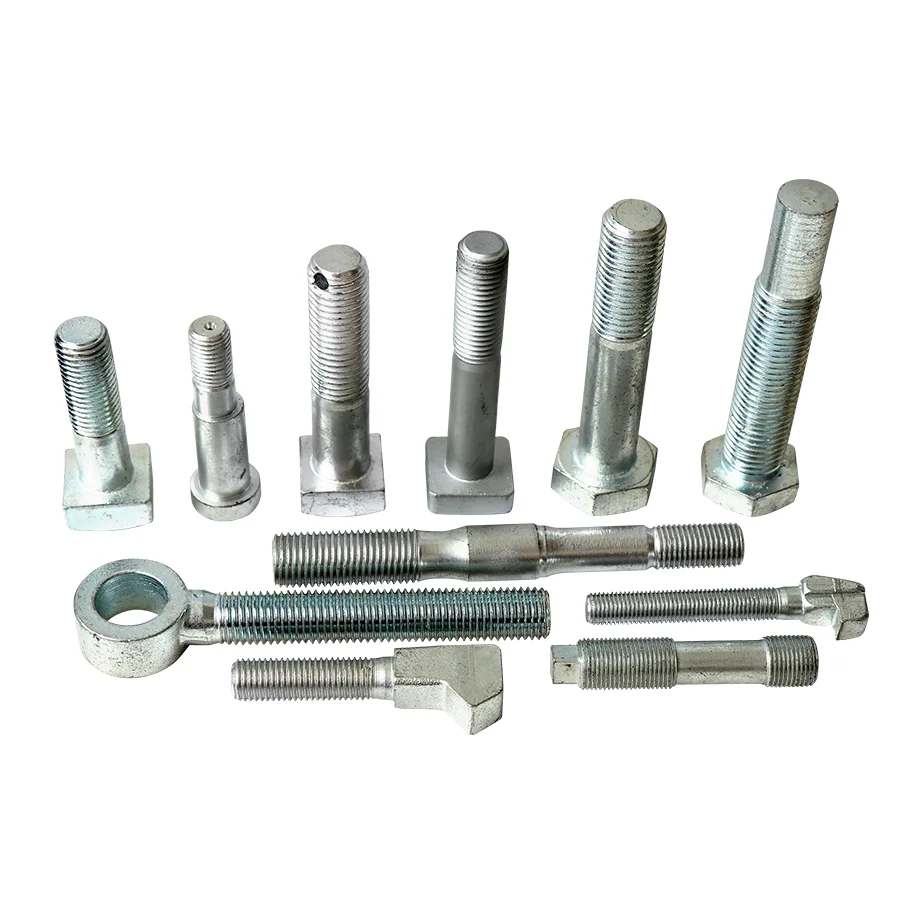
With years of manufacturing experience and precision engineering, HuiBo Railway provides high-performance rail bolts designed to meet the stringent technical demands of global rail systems.
What Are Rail Bolts
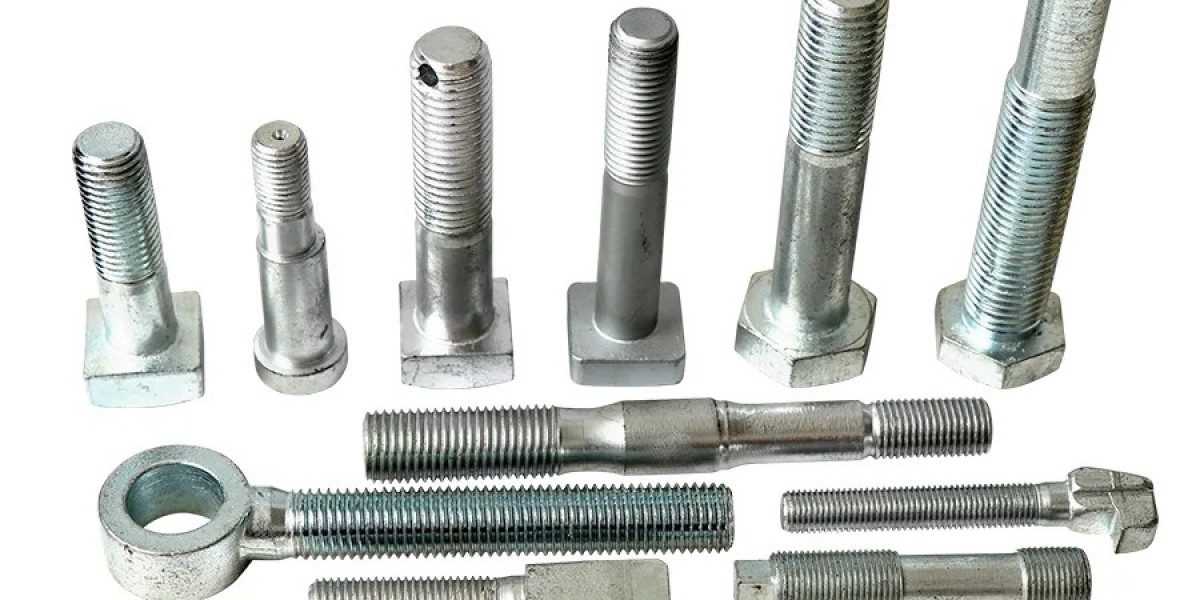
Rail bolts are specialized fasteners used in railway track systems to secure fishplates, baseplates, and other rail components. Their core functions include:
Ensuring tight connections between rail sections
Maintaining gauge accuracy under dynamic loads
Improving track stability and vibration resistance
Preventing rail displacement during high-speed or heavy-load operation
Unlike conventional industrial bolts, rail bolts must withstand continuous cyclic loading, vibration fatigue, temperature changes, and corrosion exposure—making their engineering design far more demanding.
Key Engineering Requirements for High-Performance Rail Bolts
1. Mechanical Strength & Fatigue Resistance
Rail bolts experience repetitive stress cycles caused by train loads.
High-quality bolts require:
High tensile strength (typically ≥ 8.8 or 10.9 grade)
Structural uniformity to prevent shear failure
Excellent fatigue resistance under millions of cycles
HuiBo Railway produces bolts using refined alloy steel and advanced heat-treatment processes to achieve stable, predictable mechanical performance.
2. Material Selection and Metallurgical Reliability
Rail bolts are commonly made from:
Medium carbon steel for standard track conditions
Alloy steel for heavy-duty or high-speed rail
Corrosion-resistant coatings such as zinc plating, hot-dip galvanization, or epoxy
The choice depends on environment, load, and maintenance strategy. HuiBo Railway employs controlled metallurgy to ensure uniform grain structure, minimized impurities, and stable micro-hardness levels.
3. Anti-Corrosion Performance
Rail bolts often operate in harsh external environments:
Coastal railways
High humidity zones
Snow, de-icing chemicals, or acid rain environments
Advanced coatings extend service life and reduce replacement frequency.
HuiBo Railway offers customizable coating solutions tailored to geographic conditions and regulatory standards.
How Manufacturing Quality Influences Bolt Performance
The performance of rail bolts is determined not just by material but by every step of manufacturing:
1. Forming Processes
Hot forging to increase density and structural uniformity
Cold forming for precision threads
2. Heat Treatment
A controlled process of quenching, tempering, and normalizing improves:
Hardness balance
Yield strength
Fatigue life
3. Surface Treatment
Coatings protect bolts from oxidation, friction, and chemical exposure.
4. Inspection & Testing
High-standard testing includes:
Tensile strength test
Impact test
Hardness test
Magnetic particle inspection for cracks
Salt-spray corrosion testing
HuiBo Railway maintains ISO-based quality systems and international track standards such as AREMA, UIC, and BS.
Common Failure Modes of Rail Bolts and How to Prevent Them
1. Fatigue Cracking
Caused by cyclic vibration, insufficient torque, or poor material quality.
→ Solution: stronger alloy steels + precise torque control.
2. Loosening Under Vibration
Rail joints are subjected to continuous track vibration.
→ Solution: locking washers, improved thread design, and controlled installation torque.
3. Corrosion-Induced Weakening
Occurs in wet, coastal, or acidic environments.
→ Solution: hot-dip galvanization or epoxy coatings.
4. Over-torque Damage
Excessive tightening can stretch threads and weaken the bolt.
→ Solution: standardized installation procedures and monitoring.
Why Rail Operators Choose HuiBo Railway Bolts
HuiBo Railway’s rail bolts stand out due to:
1. Reliable Mechanical Performance
Engineered for high load, long-term fatigue life, and tight dimensional control.
2. Global Standard Compatibility
HuiBo supplies bolts compliant with AREMA, UIC, GB, EN, and other railway standards.
3. Custom Engineering Solutions
From unique thread forms to customized coatings, HuiBo supports tailored OEM services.
4. Proven Manufacturing Expertise
With decades of experience, HuiBo has strong in-house metallurgical, machining, and testing capabilities—ensuring every bolt meets demanding field conditions.
Conclusion
Rail bolts may be small components, but their engineering significance is enormous. They ensure structural integrity, maintain alignment, and safeguard the entire railway system from vibration, fatigue, and environmental damage. As railway networks continue to grow and upgrade, the demand for high-performance, precision-engineered rail bolts becomes even more essential.
With advanced materials, strict production control, and deep industry expertise, HuiBo Railway provides durable, reliable, and globally compatible rail bolt solutions for both standard and heavy-duty applications. For railway operators and infrastructure contractors, choosing high-quality bolts is not merely a procurement decision—it is an investment in long-term safety and operational stability.